
Transport in London
How to get around London without overpaying: the Tube, buses, the Elizabeth line, contactless and Oyster fares, river boats, taxis, cycling, driving and the railway stations that take you out of the city.
London's red double-decker buses and black cabs are known all over the world, but the backbone of the city is the Underground. The Tube, opened in 1863, is the oldest underground railway in the world, and during the Second World War its deep stations also served as air-raid shelters. Today it is part of a much larger network that includes the Elizabeth line, the London Overground, the DLR, trams, buses and river boats.
For visitors the good news is that you rarely need to buy a ticket. You can tap in and out with a contactless bank card or phone, or with an Oyster card, and the system limits what you pay in a day. Our guide to Oyster and contactless explains how it works, and the Underground guide covers lines, peak hours and etiquette.
The bus network reaches almost every corner of the city and is often the most scenic way to travel. Taxis are easy to find in central London, but walking is frequently faster than you expect. Driving is rarely a good idea for visitors: read our guide to hiring a car in London before you book one. Arriving by air? See London's airports.
98 guides in this section.
Tube, rail and buses
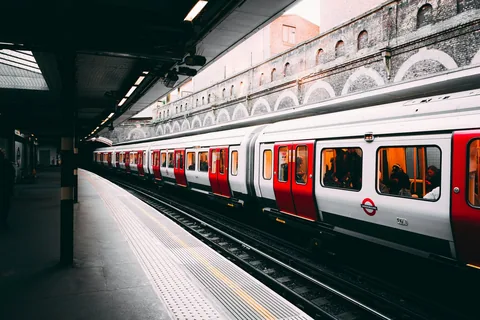
The London Underground: A Visitor's Guide
Lines, maps, peak hours and the Tube's unwritten rules.
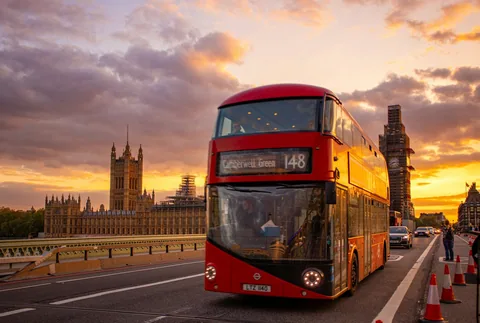
London Buses and Night Buses
Cheap, scenic and running all night on many routes.
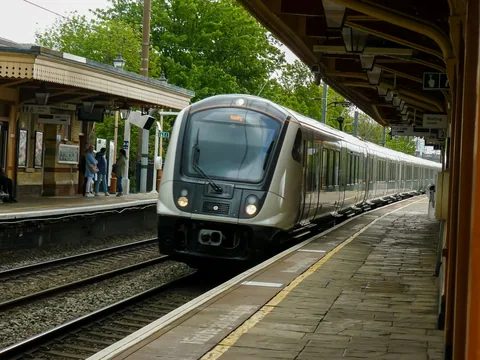
The Elizabeth Line: How It Works for Visitors
Heathrow to the centre and across London on one line.
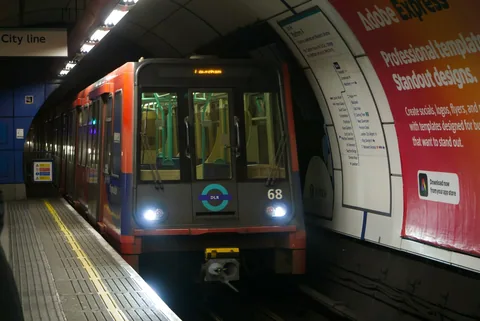
The DLR and the London Overground
Driverless trains to Greenwich and orbital lines around the city.
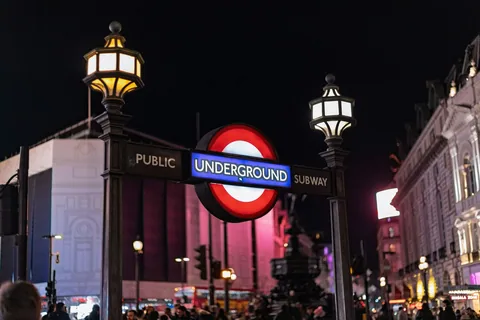
The Night Tube: Which Lines Run on Friday and Saturday Nights
Which lines run through the night, and on which nights.
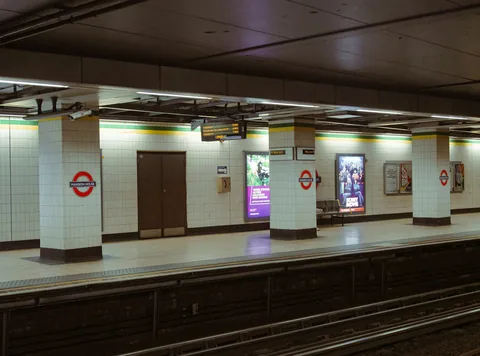
Tube Strikes: How to Get Around London
How to check disruption and which services keep running.
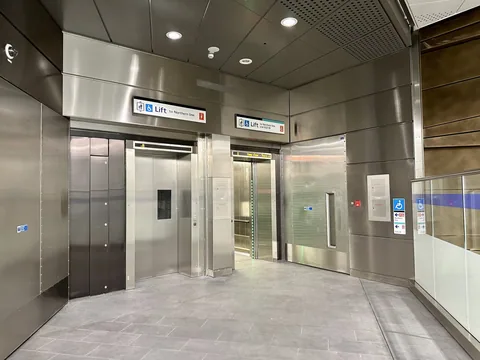
Step-Free and Accessible Transport in London
Step-free stations, ramps and free assistance services.
Photos in this list: photographer and licence for each image are listed on our image credits page.
Fares and tickets
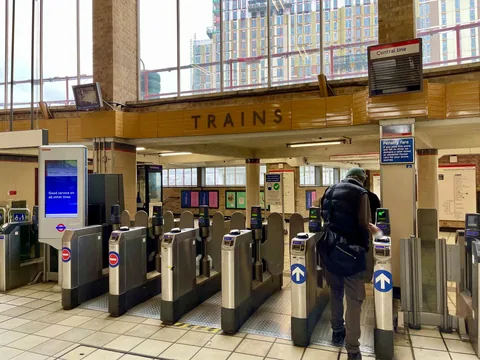
Oyster vs Contactless: Fares and Daily Caps Explained
Pay as you go, capping and which option saves you most.
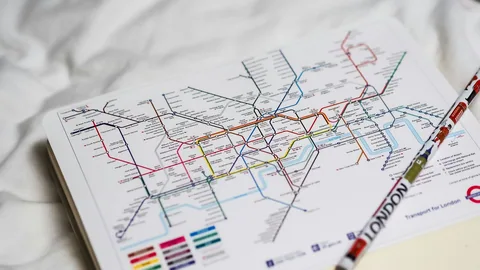
London Travel Zones Explained
What the zones mean for fares, and where the sights are.
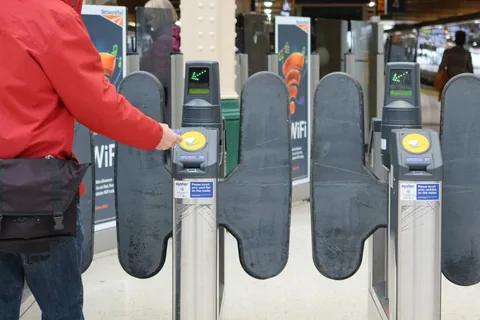
The Visitor Oyster Card: Is It Worth It?
How it differs from a normal Oyster, and who it suits.
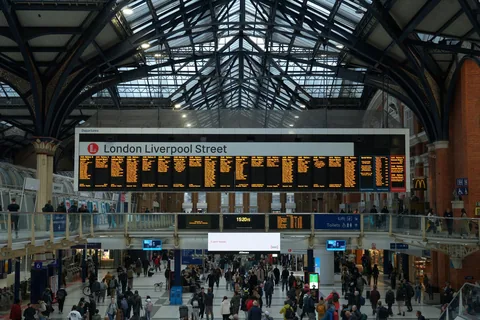
London Travelcards and Railcard Discounts
Paper Travelcards, railcards and 2FOR1 offers.
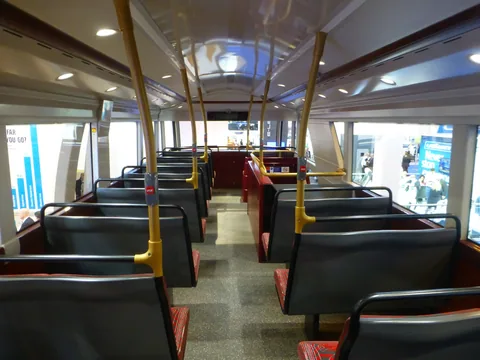
Children's Fares on London Transport
Who travels free, and the rules for older children.
Photos in this list: photographer and licence for each image are listed on our image credits page.
Taxis, bikes and the river
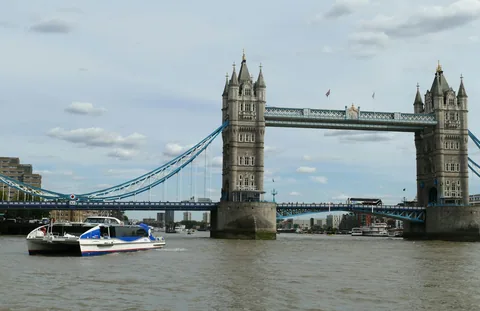
Uber Boat by Thames Clippers: The River Bus
The river as a commuter route, with the best views in town.
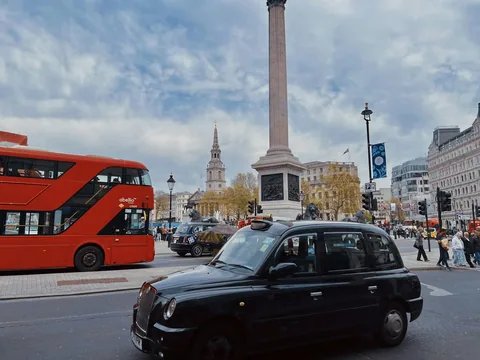
Black Cabs, Minicabs and Uber in London
Black cab or app? How they differ, and how to stay safe.
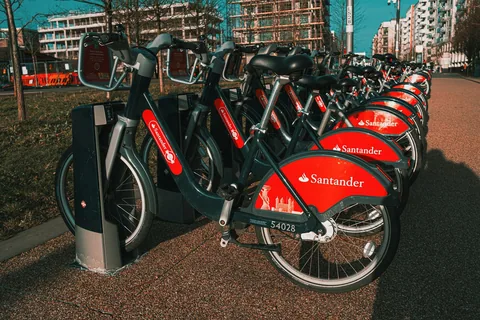
Santander Cycles and Cycling in London
Hire bikes, cycle routes and staying safe in traffic.
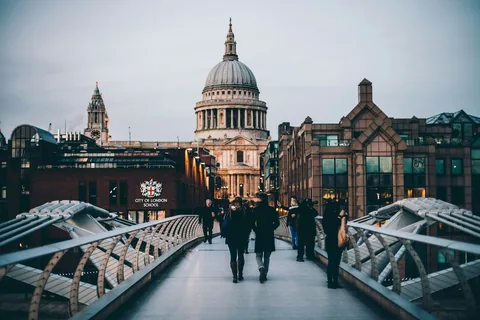
Walking in London: When It's Faster Than the Tube
Stations that are closer than the map suggests.
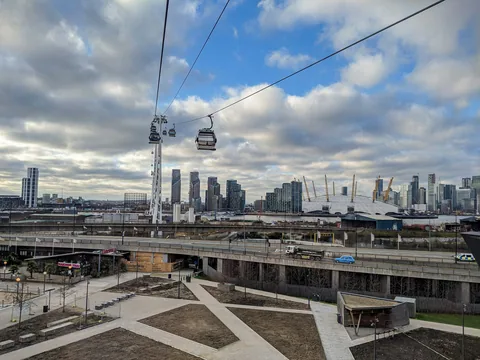
The London Cable Car (IFS Cloud Cable Car)
A short, high ride over the river in East London.
Photos in this list: photographer and licence for each image are listed on our image credits page.
Driving and car hire
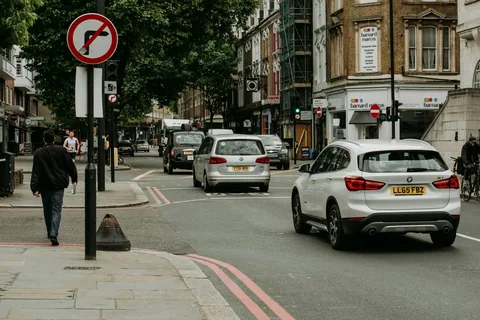
Car Hire in London: Do You Really Need a Car?
When a hire car makes sense, and the charges that come with it.
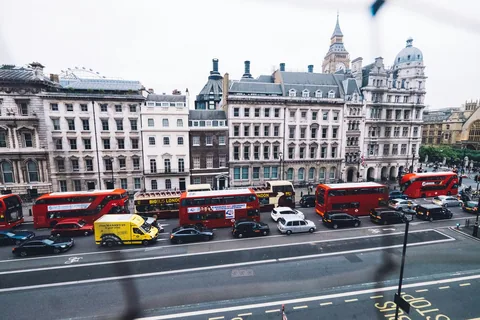
Driving in London: Congestion Charge and ULEZ
The two daily charges, and how to pay them correctly.
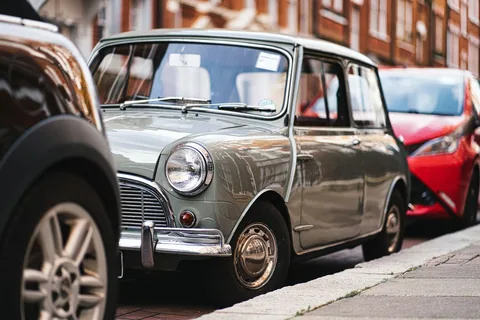
Parking in London
Street rules, car parks, apps and avoiding fines.
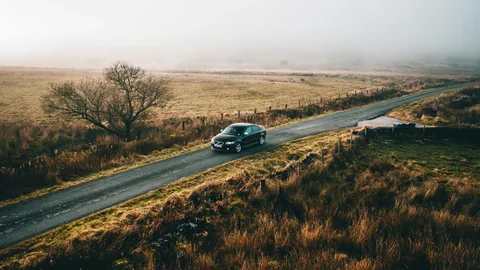
Driving in the UK: Rules for Foreign Drivers
Driving on the left, licences, limits and road signs.
Photos in this list: photographer and licence for each image are listed on our image credits page.
Leaving London by train and coach
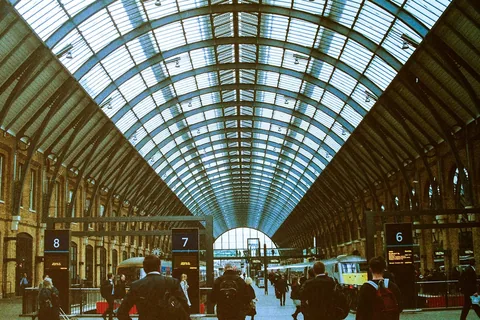
London's Main Railway Stations Explained
Which station serves where, and how to change between them.
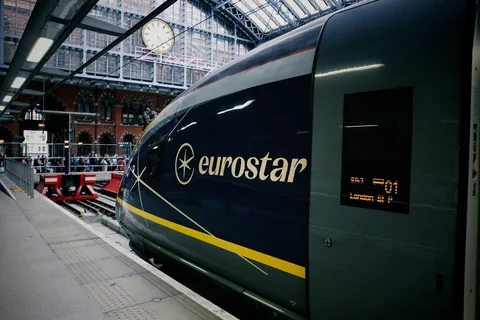
Eurostar from London to Paris
Booking, check-in and border controls at St Pancras.
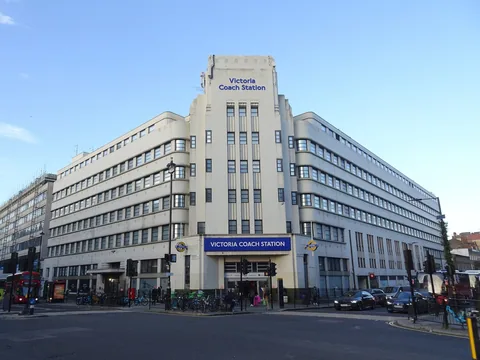
Victoria Coach Station and Coach Travel
The cheapest way out of London, and how the station works.
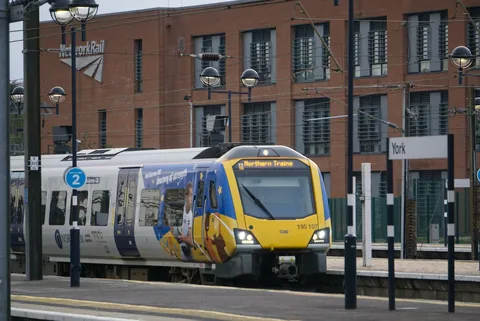
Buying UK Train Tickets: Advance Fares and Railcards
Advance, off-peak and railcards: how not to overpay.
Photos in this list: photographer and licence for each image are listed on our image credits page.
Fares, tickets and practicalities
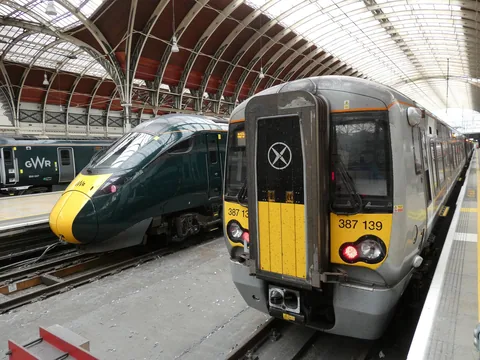
Heathrow Express or the Elizabeth Line?
Fifteen minutes or twenty-eight, and the price gap between them.
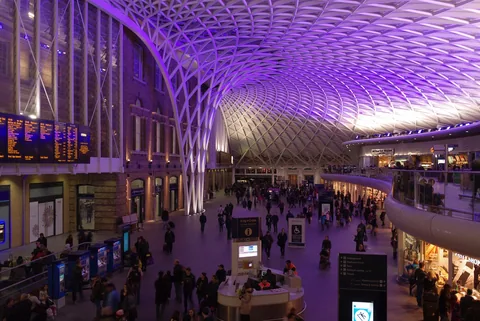
Railcards Worth Buying as a Visitor
Which ones a visitor can buy, and what they actually save.

Oyster Card Refunds and Deposits
Getting your deposit and balance back before you fly home.
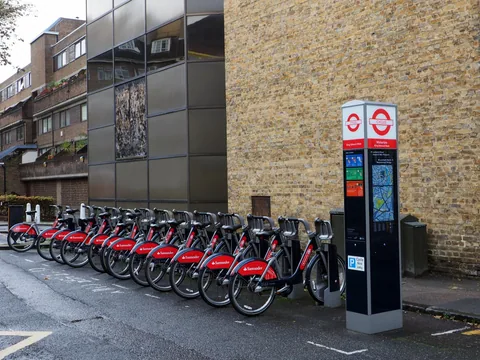
Santander Cycles: How to Hire a Bike
What it costs, how docking works, and where to actually ride.
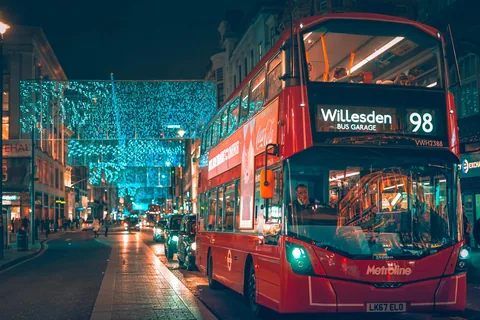
London Night Buses
How to get home when the Tube has stopped.
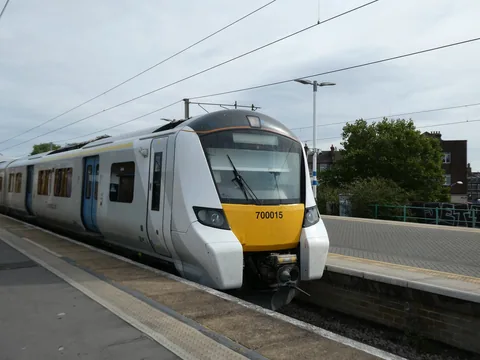
Gatwick Express, Thameslink or Southern?
Three trains, one airport, and a big difference in price.
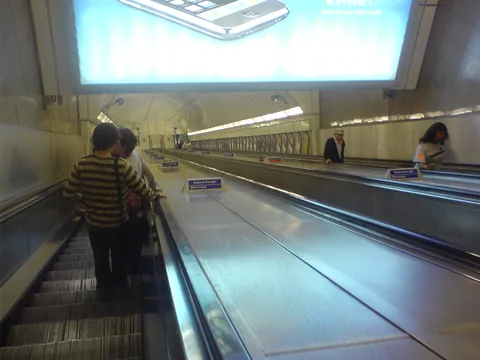
Luggage on the Tube
Which stations will defeat a large suitcase.
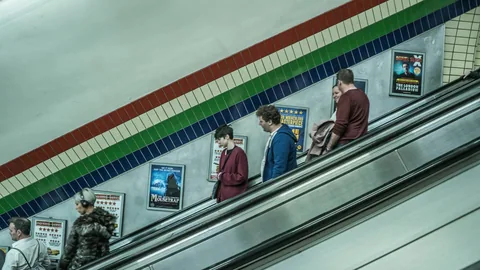
Tube Etiquette
The unwritten rules, and what happens when you break them.
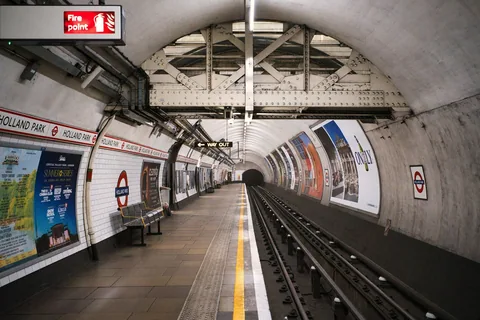
First and Last Tube Trains
When the Tube really starts and stops, line by line.
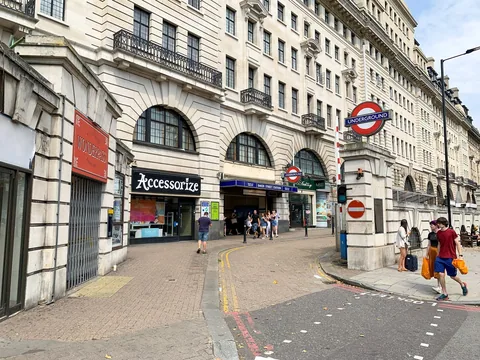
Lost Property on London Transport
Where your bag goes, and how to get it back.

Taking a Bike on London Transport
Which lines take bikes, when, and which never do.
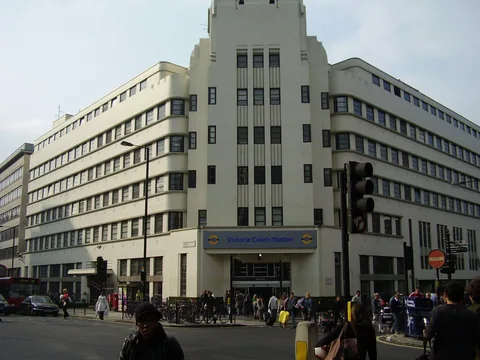
Coaches from London to Europe
The cheapest way out of the country, and how long it takes.
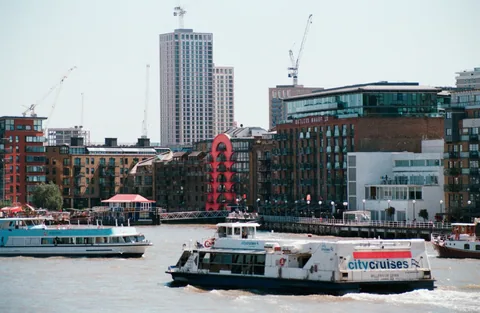
River Bus or Sightseeing Cruise?
One is transport, one is a tour. Which suits your day.
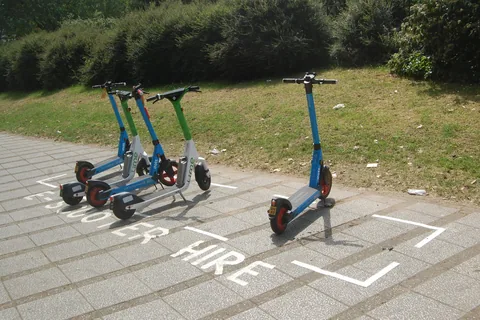
E-Scooters and E-Bikes in London
What is legal, what is not, and where to leave them.
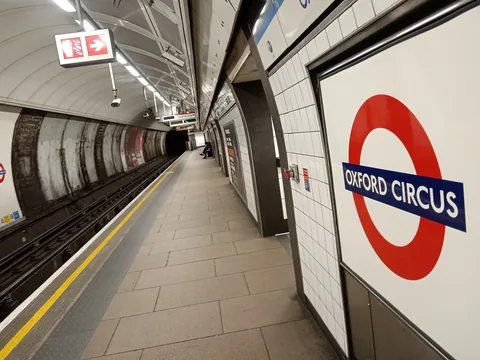
Avoiding Rush Hour in London
When the crush happens, and how one hour changes it.
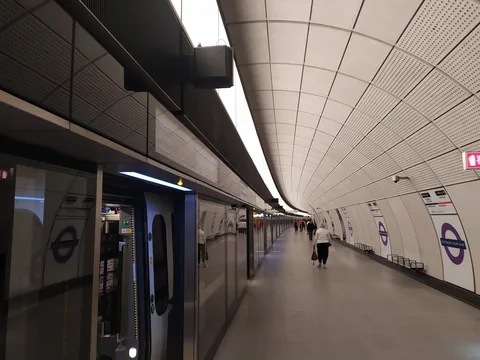
Getting Around with a Pushchair
Step-free routes, kneeling buses, and when to fold.
Photos in this list: photographer and licence for each image are listed on our image credits page.
Using the network like a local
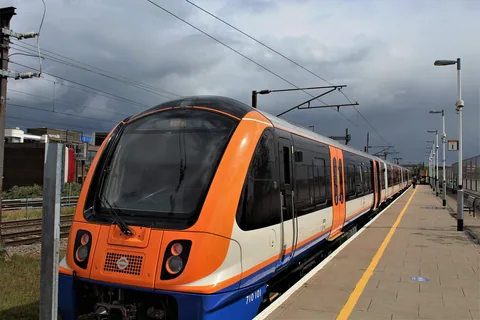
The Overground's Six New Line Names
What Mildmay, Windrush and Suffragette actually mean.
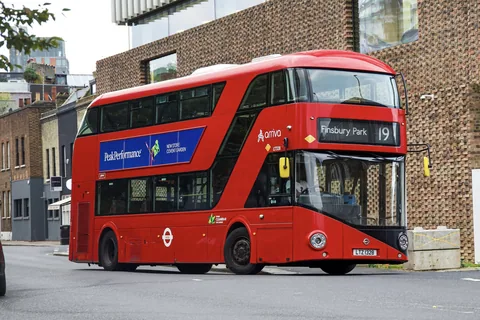
Bus Routes Worth Riding for the View
Sightseeing from the top deck for a single bus fare.
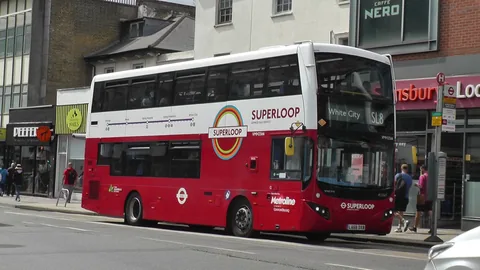
The Superloop and Outer London
Thirteen express routes, and when they beat the Tube.
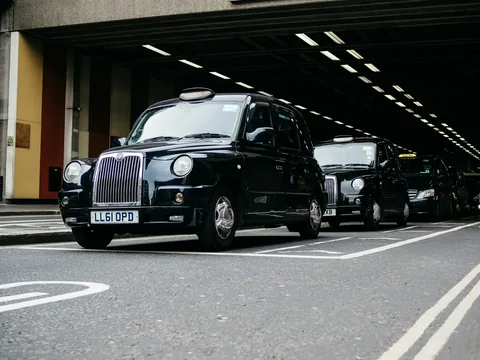
Finding a Black Cab
Where the ranks are, and what the yellow light means.

Getting Home Late in London
The night network, and how to get home without incident.

Travelling as a Group or Family
The cheapest way to move six people across London.
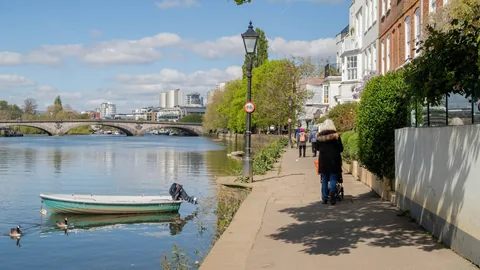
The Thames Path and London's Walking Routes
Four waymarked routes, and where to join and leave each.
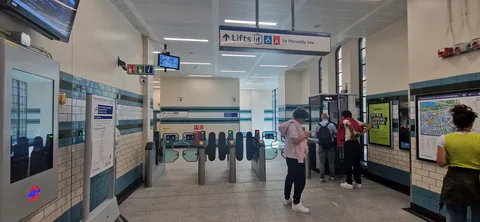
London Transport in a Wheelchair
What actually works, and what to do when the lift is out.
Photos in this list: photographer and licence for each image are listed on our image credits page.
Specific journeys and odd cases
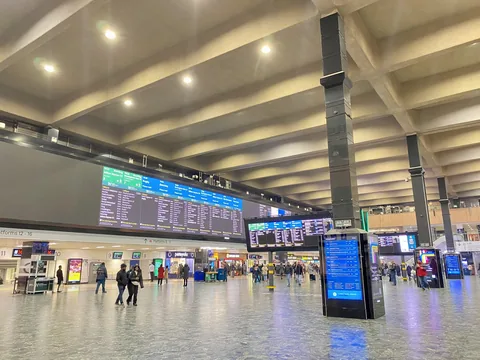
Getting Between London's Main Train Stations
Times, the right line for each, and when to give up and take a cab.
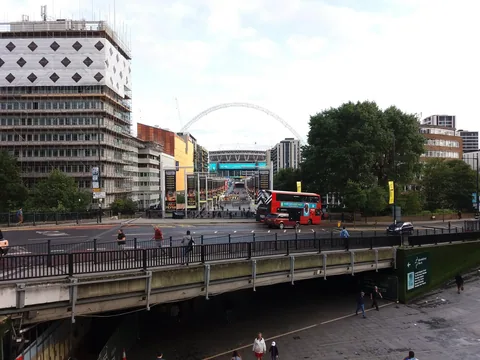
How to Get to Wembley Stadium
Three stations, one crowd, and the one that gets you home fastest.
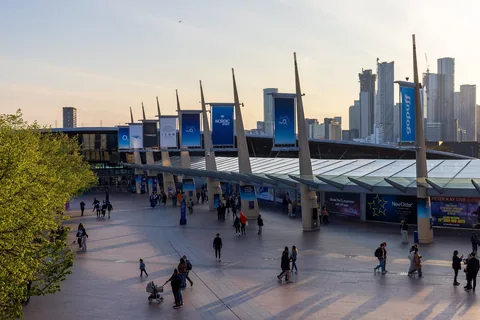
How to Get to The O2
Three ways in, and only one that works when everyone leaves.
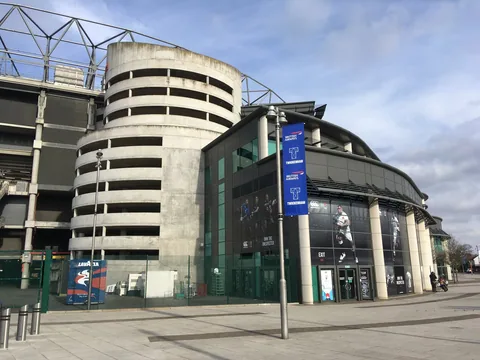
How to Get to Twickenham Stadium
Trains from Waterloo, and why the journey home needs planning.
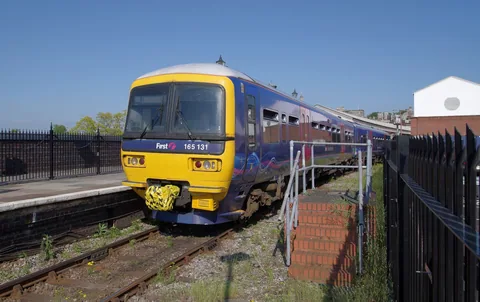
London to Windsor by Train
Two routes from two terminals. One is faster, one is cheaper.
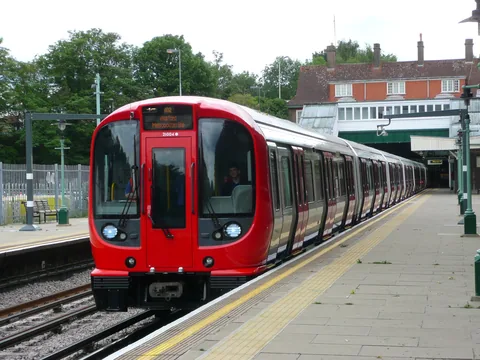
Which Tube Lines Have Air Conditioning?
Four lines have it today, and the Piccadilly line is next.

What Happens If You Forget to Touch Out
You pay the maximum fare. Here is how to get it back.
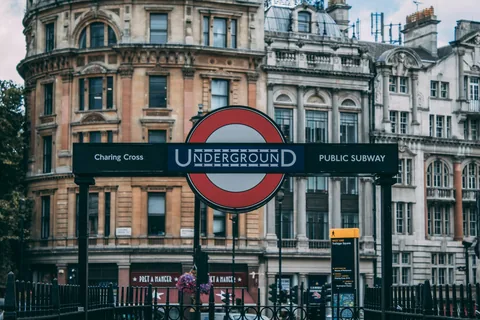
Tube Stations It Is Quicker to Walk Between
The map is not to scale. Twelve pairs where walking wins.
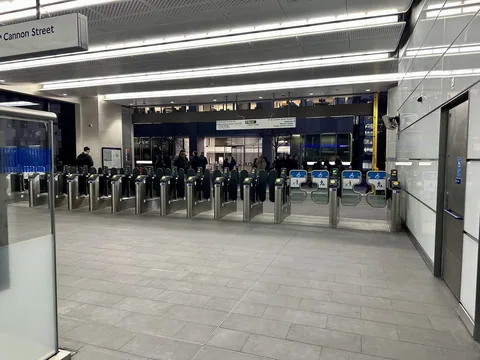
Using a Foreign Bank Card on London Transport
It works, but the fees and the capping are not what you expect.
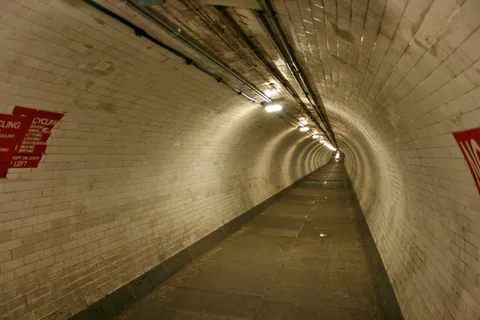
The Woolwich Ferry and the Foot Tunnels
Two foot tunnels, a car ferry and a cycle bus, all free.
Photos in this list: photographer and licence for each image are listed on our image credits page.
One line at a time
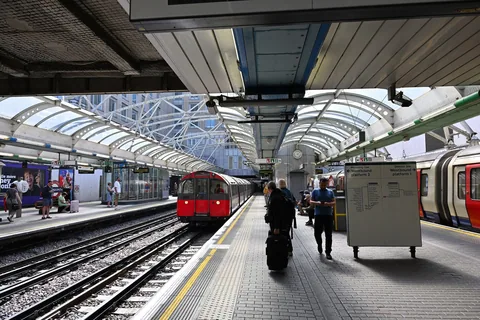
The Piccadilly Line
Heathrow to the museums for the price of a Tube fare. How long it really takes.
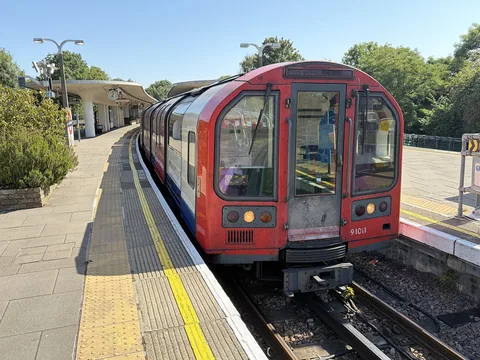
The Central Line
Forty-six miles, no air conditioning, and two branches that catch people out.
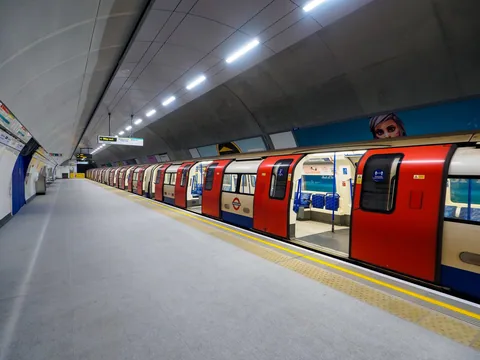
The Northern Line
The line where the wrong train costs you half an hour. How to read the sign.
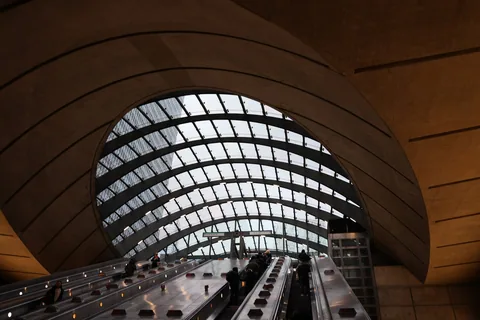
The Jubilee Line
The most step-free deep line, and the one for the O2 and Wembley.
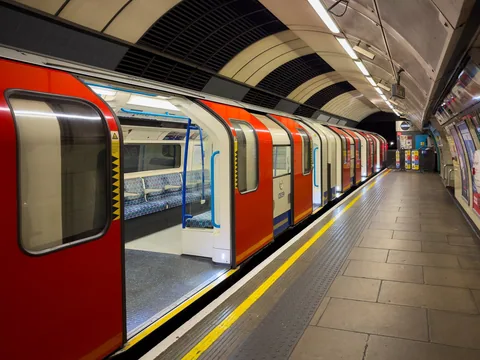
The Victoria Line
A train every hundred seconds, all of it underground, and quick.
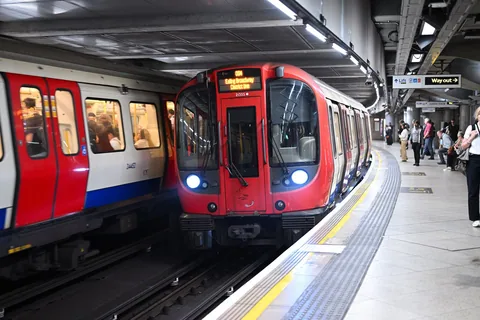
The District and Circle Lines
Air conditioning and daylight, on the two lines easiest to board wrongly.
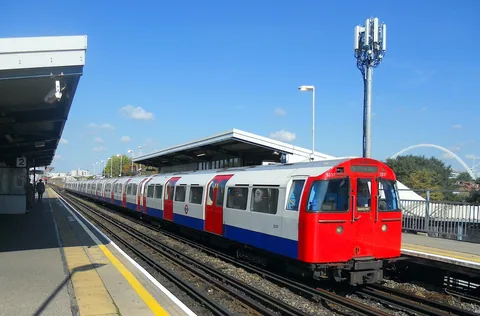
The Bakerloo Line
The oldest trains on the network, and what they are like in July.
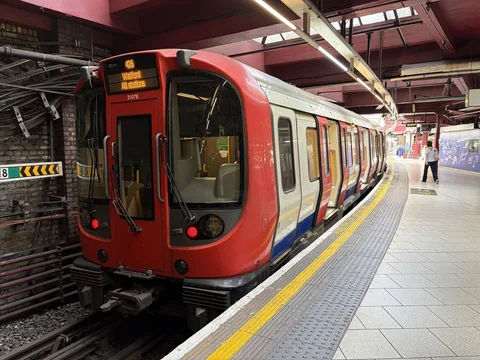
The Metropolitan and Hammersmith & City Lines
The world's first underground railway, and it still runs to Buckinghamshire.
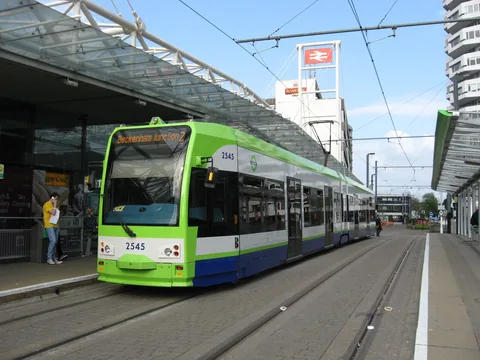
London Trams: The Croydon Network
Yes, London has trams. Bus fares, south London, and Wimbledon to Croydon.
Photos in this list: photographer and licence for each image are listed on our image credits page.
The big stations, one at a time

King's Cross and St Pancras: A Station Guide
Two stations that feel like one. Which building you want, and the walk.
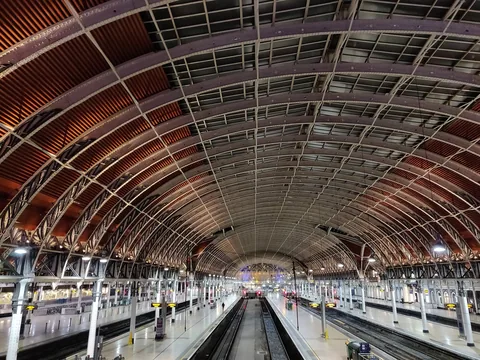
Paddington Station: A Guide
Three ways to Heathrow from one station. Which platform, and which fare.
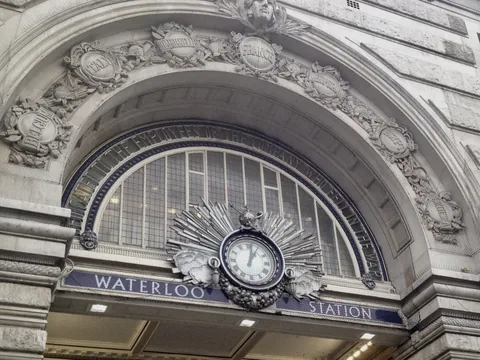
Waterloo Station: A Guide
The exit you pick decides whether you come out at the London Eye.
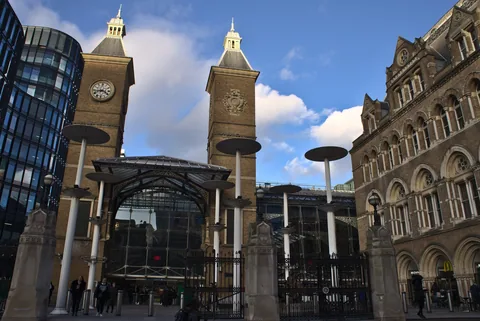
Liverpool Street Station: A Guide
Britain's busiest station, and Spitalfields five minutes from the door.
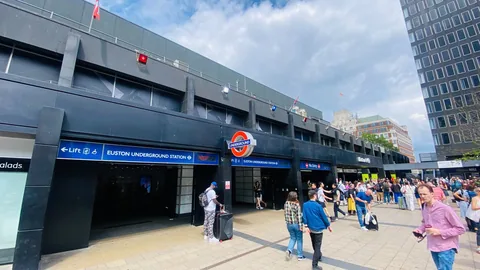
Euston Station: A Guide
Trains north, platforms announced late, and a building site outside.
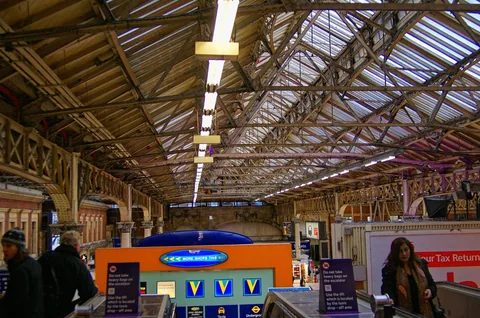
Victoria Station: A Guide
Gatwick trains, coaches ten minutes away, and a confusing layout.
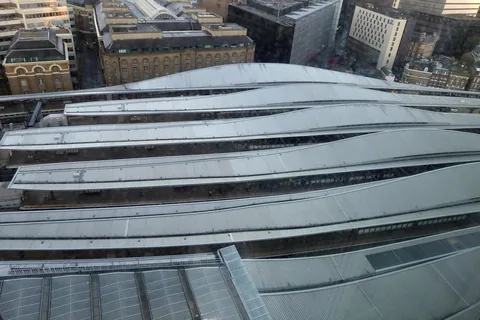
London Bridge Station: A Guide
The best-placed station for sightseeing, and now easy to use.
Photos in this list: photographer and licence for each image are listed on our image credits page.
Fares, buses and what goes wrong
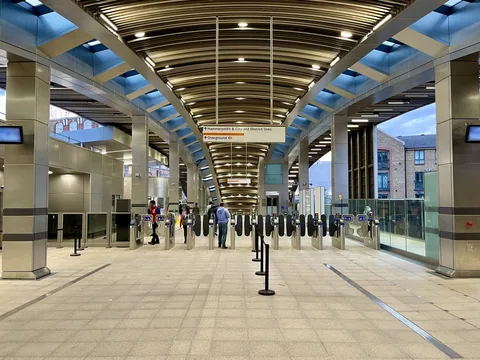
Contactless Fare Caps Explained
What the cap covers, what breaks it, and why the week starts on Monday.

Penalty Fares and Ticket Inspectors
What it costs to be caught, and the honest mistakes that count.
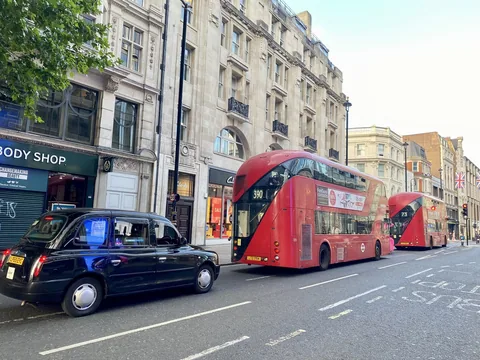
Bus or Tube: Which Is Quicker?
Five real journeys, timed both ways, with the fares for a family.
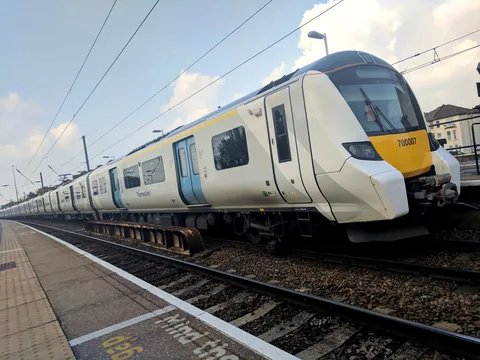
Thameslink Explained
A main line straight through the middle, to two airports. When it wins.
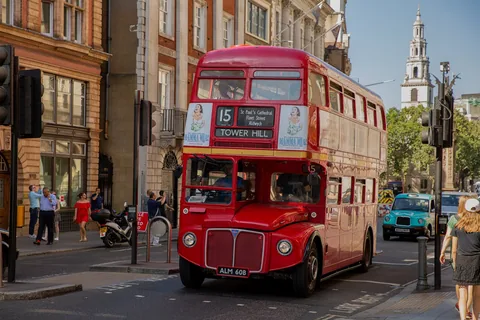
Routemasters and Heritage Buses
Where the old buses still run, and the free days they go back to work.
Photos in this list: photographer and licence for each image are listed on our image credits page.
Getting to the venue
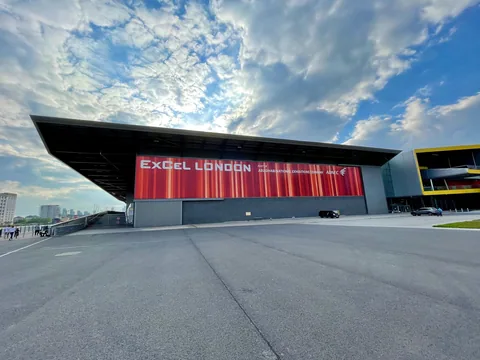
How to Get to ExCeL London
Which station for which hall, and how long from the West End.
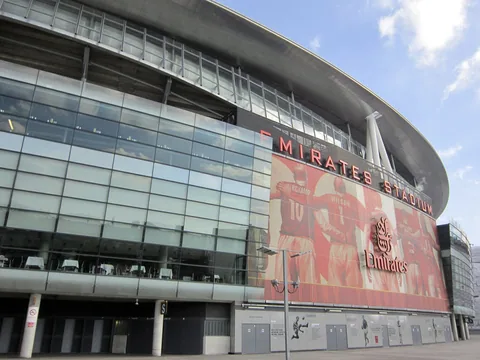
How to Get to the Emirates Stadium
Which station before the match, which one after, and what closes.
Photos in this list: photographer and licence for each image are listed on our image credits page.
The six Overground lines, one at a time
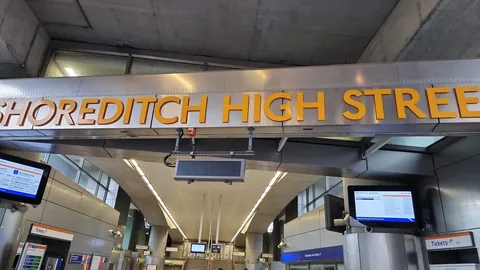
The Windrush Line
Highbury to Crystal Palace, under the river in a Victorian tunnel.
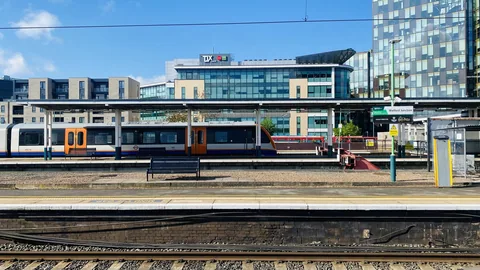
The Lioness Line
Euston to Watford, past Wembley, with one odd peak-fare rule.
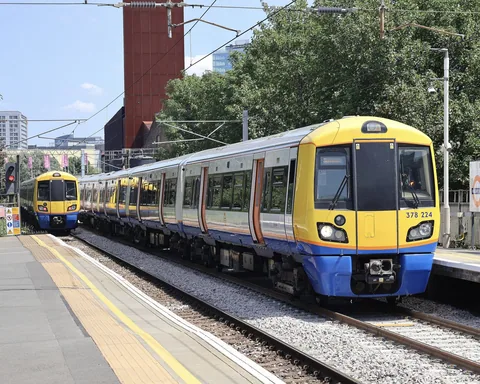
The Mildmay Line
Right across north London without touching Zone 1.
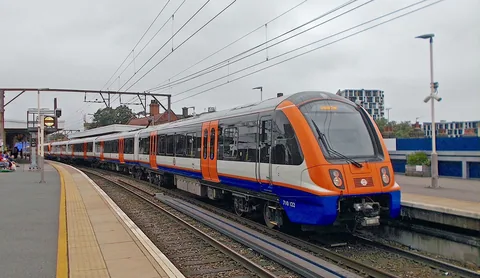
The Weaver Line
Liverpool Street to Chingford, through the old weaving districts.
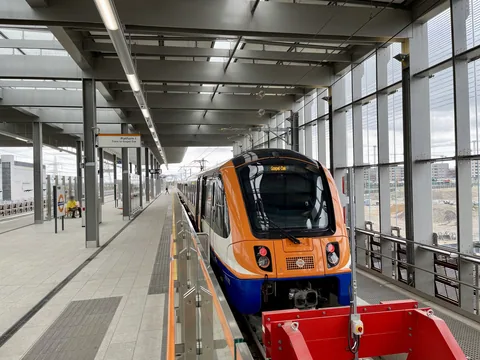
The Suffragette Line
Barking Riverside to Gospel Oak, and the newest station at the end.
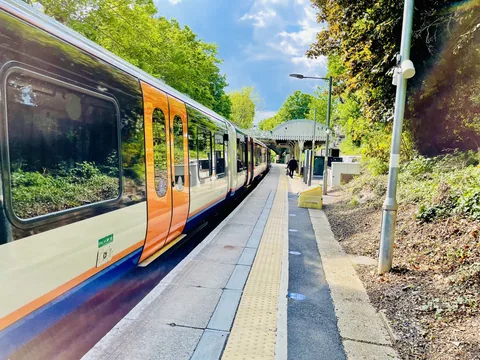
The Liberty Line
Three stations, one shuttle train, the shortest Overground line.
Photos in this list: photographer and licence for each image are listed on our image credits page.
The line nobody writes about
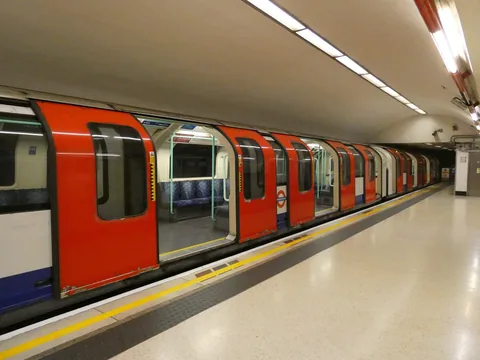
The Waterloo & City Line
Two stations, no weekend service, and a nickname: the Drain.
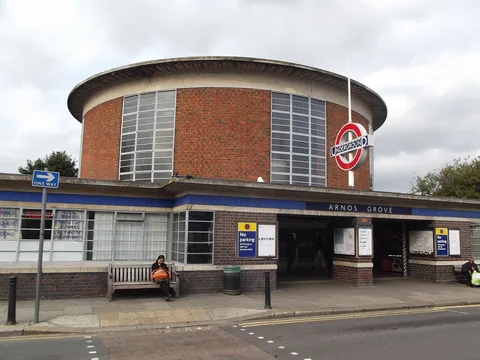
Charles Holden's Underground Stations
Brick drums and concrete canopies. Five stations worth the journey.
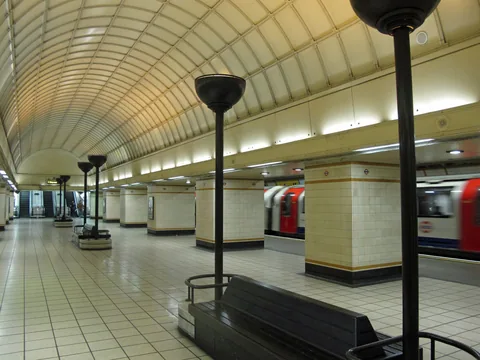
Gants Hill and Its Moscow Ceiling
A Moscow Metro concourse in suburban Essex. Walk in on any ticket.
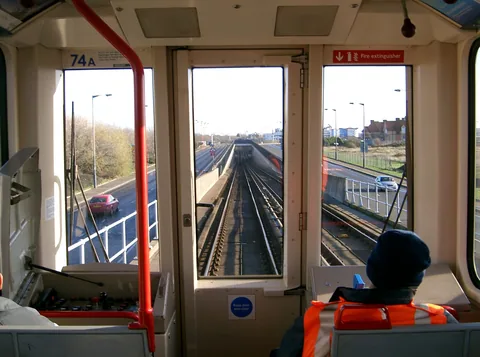
Riding the DLR in the Front Seat
No driver, so the front window is yours. Which route to ride.
Photos in this list: photographer and licence for each image are listed on our image credits page.
Four bus routes, end to end
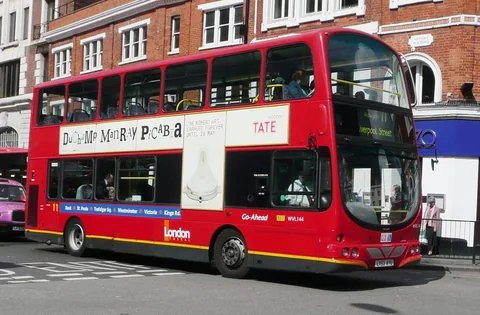
Bus Route 11: Fulham Town Hall to Waterloo
Chelsea to Westminster Bridge for one bus fare.
Bus Route 15: Blackwall to Charing Cross
The City's landmarks in half an hour, for one bus fare.
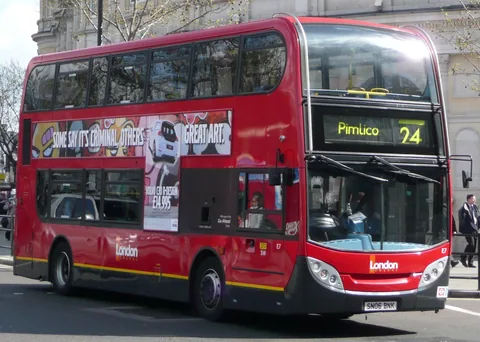
Bus Route 24: Hampstead Heath to Pimlico
Runs all night - and the slow hour is midday, not the rush.
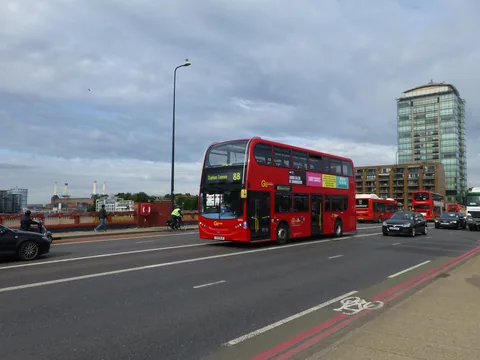
Bus Route 88: The Museum Run
Hampstead Heath to Clapham past the galleries.
Photos in this list: photographer and licence for each image are listed on our image credits page.
When it goes wrong

If You Miss the Last Tube
Night buses go everywhere the Tube does, for less. Which route replaces which.
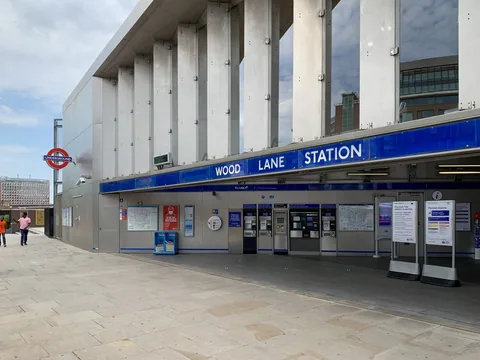
If Your Oyster Runs Out Mid-Journey
You can finish the journey, not start another. How to top up on the way out.
Photos in this list: photographer and licence for each image are listed on our image credits page.