The London travel guide
Everything you need to know before you visit London
Palaces and free museums, riverside walks and market halls, the Tube and the airports. Clear, carefully researched guides for international visitors, from your first afternoon in the city to the day trips beyond it.
What are you planning?
9 sections, each filled with detailed guides.
Plan Your Trip
Everything you need to sort out before you land: when to go, how long to stay, what it really costs, the entry rules for your passport, money, phones, safety and ready-made itineraries for first-timers, families and solo travellers.
Getting Around
How to get around London without overpaying: the Tube, buses, the Elizabeth line, contactless and Oyster fares, river boats, taxis, cycling, driving and the railway stations that take you out of the city.
Attractions
Palaces and towers, free world-class museums, royal parks, family days out and the Olympic legacy: London's attractions, with honest advice on tickets, timing and what is worth it.
Neighbourhoods
London is a city of villages.
Food & Drink
London is one of the best places in the world to eat.
Shopping
From Oxford Street's flagships to Portobello's stalls, London's shopping is as varied as its neighbourhoods.
Where to Stay
Choosing where to stay decides how your London trip feels.
What's On
Theatre, music, sport, festivals and the city month by month.
Day Trips
Some of England's finest places are an hour or two from London by train.
Where most visitors start
The landmarks, museums and practical questions that almost every first trip to London begins with.
The Tower of London
Crown Jewels, Yeoman Warders and nearly a thousand years of history.
The British Museum
The highlights, and a plan for a two-hour visit.

Buckingham Palace
State Rooms in summer, and what you can see all year.
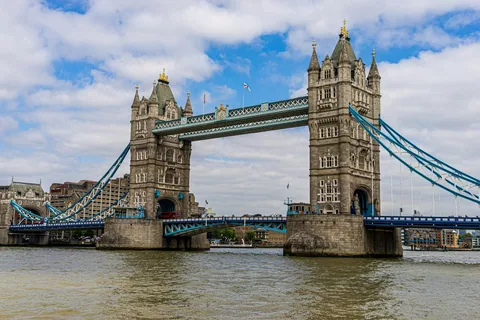
Tower Bridge
Glass floors, engine rooms and bridge lifts.
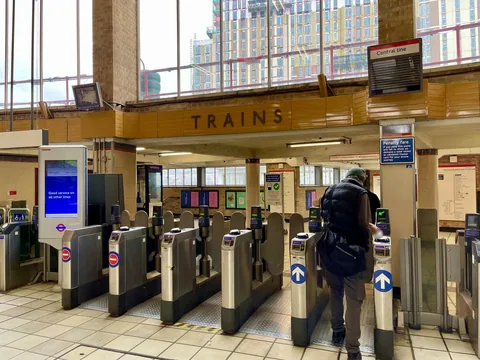
Oyster vs Contactless: Fares and Daily Caps Explained
Pay as you go, capping and which option saves you most.
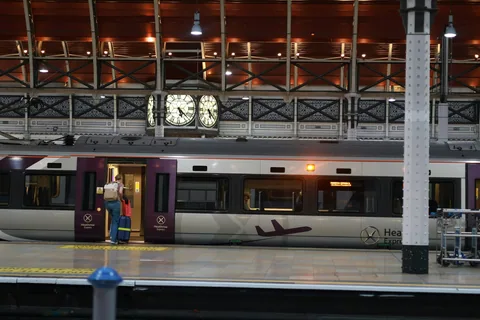
Heathrow to Central London: Every Option Compared
Express train, Elizabeth line, Tube, coach or taxi compared.
Three Days in London: A First-Timer's Itinerary
The classic first visit, with room for a museum and a market.
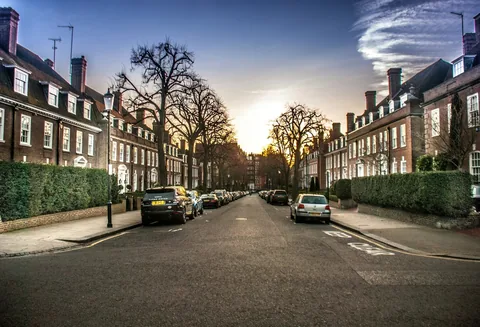
The Best Areas to Stay in London
The main areas compared, and who each one suits.
Photos in this list: photographer and licence for each image are listed on our image credits page.
Welcome to Guide-to-London.net
Guide-to-London.net is a travel guide with one purpose: to help you get the most out of a trip to London. Whether you are planning your very first visit or you have walked along the Thames many times before, you will find clear, practical answers here, from the big questions (where to stay, how many days you need, what it will all cost) to the small ones that can make or break a day (which exit to take at Westminster, or whether the museum you want to see is open on Mondays).
London is the capital of the United Kingdom and home to almost nine million people, which makes it one of the largest cities in Europe. It is also one of the most rewarding places in the world to visit, and one of the easiest to get wrong. The city is big, prices are high, and much of what you read online is out of date. We rebuilt this site to fix that: every guide is based on official sources, written in plain English and dated, so you know how fresh the information is.
A city that is more than its landmarks
Most first-time visitors arrive with a list that looks much the same: the Tower of London, Buckingham Palace, Big Ben, Tower Bridge and Westminster Abbey. They deserve their fame, and our guides tell you how to see them without wasting half a day in a queue. But London is at its best when you also leave the postcard route.
The city's great museums are a good example. Many of them are free to enter, and some of the world's most important collections sit behind their doors, from the British Museum to the Natural History Museum and Tate Modern. You could spend a week in London visiting nothing but free museums and still not see everything. Our guide to free museums in London explains which ones are free, which exhibitions cost money and how to avoid the busiest hours.
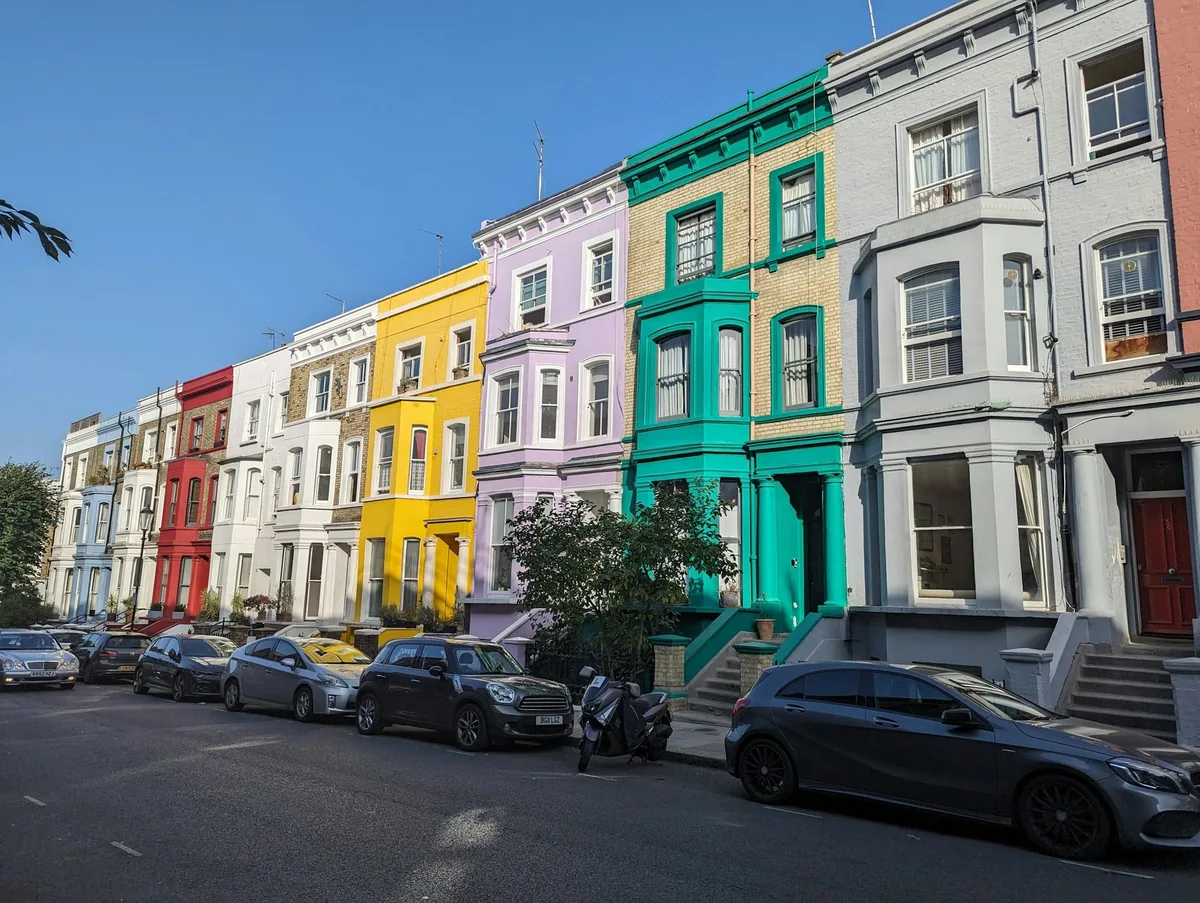
Then there are the neighbourhoods. London grew by swallowing dozens of villages, and many of them still feel like separate places, each with its own high street, markets and pubs. The street food and old warehouses of Borough and Bermondsey, the pastel houses and antiques of Notting Hill, the canal and music venues of Camden and the street art of Shoreditch are only a few Tube stops apart, yet they feel like different cities. Our neighbourhood guides help you decide which areas suit you, both for sightseeing and for choosing where to stay.
Getting around without stress or surprises
London's public transport is one of the best in the world, but it can seem confusing at first. You do not need to buy a ticket for most journeys: you can tap in and out with a contactless bank card or phone, and the system caps what you pay each day. Our guide to Oyster and contactless explains how that works, and the Underground guide covers lines, peak hours and the unwritten rules that help you blend in.
If you are flying in, the choice of airport matters more than many travellers realise. London has six international airports, some of them a long way from the centre, and the difference between the fastest and the cheapest transfer can be both time and money. Start with our guide to London's airports, or go straight to Heathrow if that is where you land. Thinking of driving? Read our guide to hiring a car in London first: for most visitors, a car in the city is more trouble than it is worth.
Plan with realistic expectations
London is not a cheap destination, but it does not have to be ruinous either. Many of the best experiences, from the Royal Parks to the free museums and the Changing of the Guard, cost nothing. Our guides to what a trip to London costs and London on a budget give realistic figures and show where it is worth spending money and where it is not.
Before you book, check the practical basics. Many visitors now need an Electronic Travel Authorisation to enter the United Kingdom, and the rules depend on your nationality. Our guide to UK entry requirements explains the system and links to the official application. You will also find guides to money and payments, healthcare for visitors and staying safe.
Not sure how long to stay or how to fill your days? Our itineraries take you through one day, three days or a whole week in London, arranged by area so you spend more time seeing the city and less time travelling across it.
Every season has its own London
There is no bad time to visit London, but each season is different. Spring brings blossom and long evenings, summer brings festivals, Wimbledon and crowds, autumn is quieter and often mild, and in winter the city fills with Christmas lights, markets and ice rinks. Our What's On section has a guide to every month of the year, as well as the big annual events such as the Notting Hill Carnival and the New Year's Eve fireworks.
And when you have seen enough of the city, some of England's finest places are an easy train ride away. Windsor, Oxford, Cambridge, Bath and the coast at Brighton all work as day trips from London.
How we work
Guide-to-London.net is published by Nordic Webinvest Ltd and edited by Terje Moy. We base our guides on the organisations that set the rules and the prices, such as Transport for London, GOV.UK, the NHS and the attractions themselves, and we update them when things change. You can read more about us and our editorial policy. If you spot something that has changed, please let us know. We hope you have a wonderful time in London.
Explore London neighbourhood by neighbourhood
Every area has its own character. Knowing them makes it easier to choose where to stay and how to plan your days.
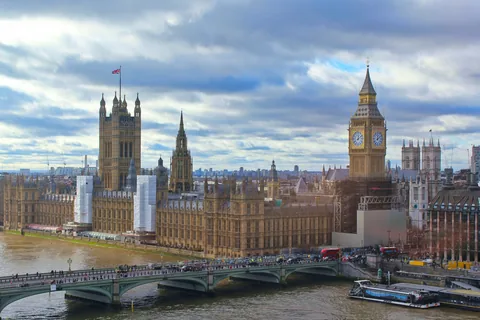
Westminster
Parliament, the Abbey and the quieter streets behind them.

Soho
Food, theatres and a history that never sat still.
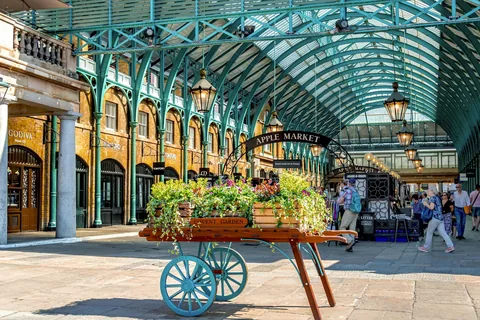
Covent Garden
The market, the street performers and Seven Dials.

Mayfair and St James's
Galleries, tailors and old-fashioned shops.
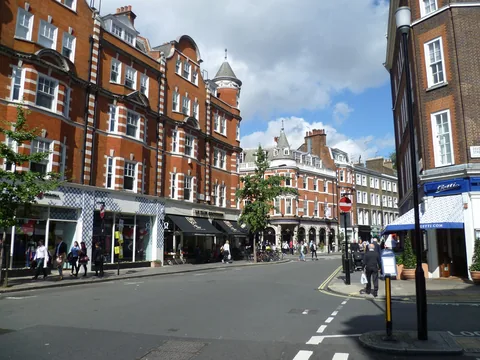
Marylebone
A village high street a short walk from Oxford Street.
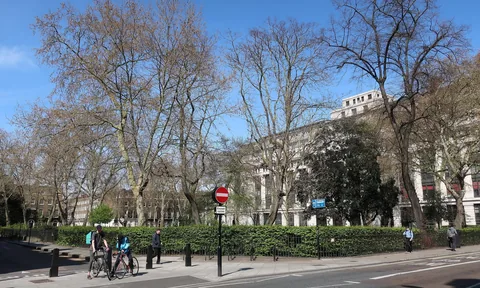
Bloomsbury
Garden squares, bookshops and the British Museum.

King's Cross
Canal-side squares and a remarkable transformation.
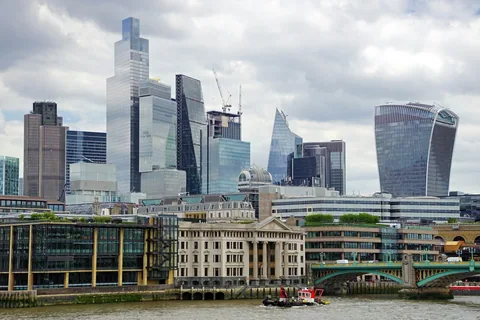
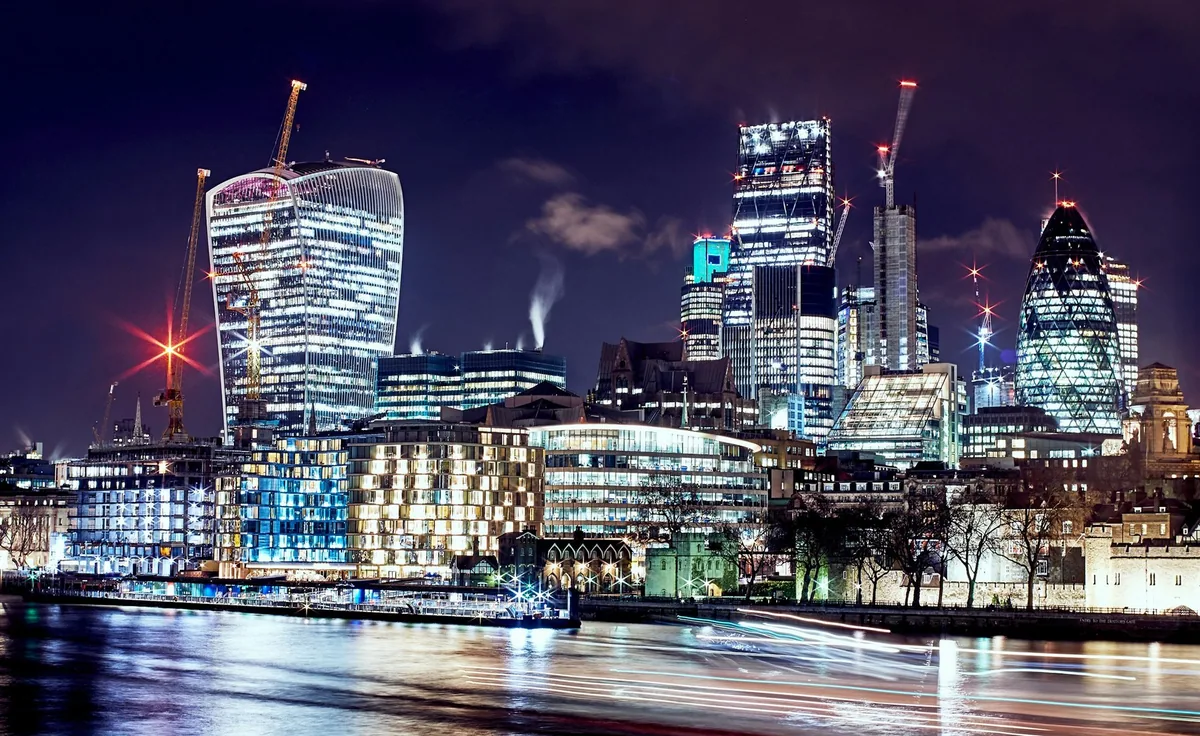
The City of London
Roman walls, Wren churches and empty weekend streets.
Photos in this list: photographer and licence for each image are listed on our image credits page.
Latest guides
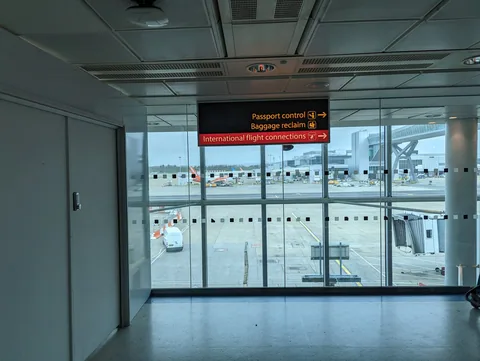
The UK Electronic Travel Authorisation Explained
What it costs, how long it takes, and what happens if you forget.
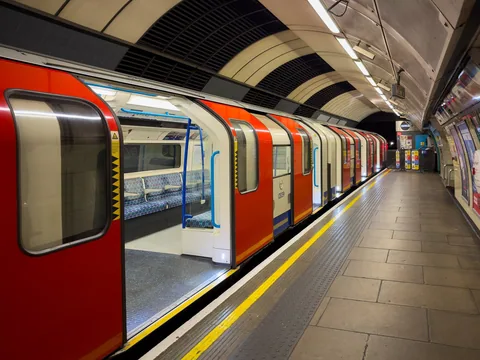
The Victoria Line
A train every hundred seconds, all of it underground, and quick.

Heathrow Terminal 5: A Guide
Three buildings, one terminal, and the transfer that catches people out.
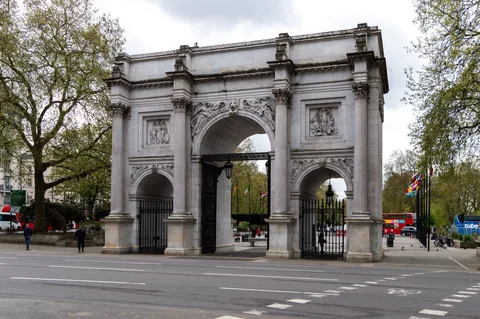
Marble Arch and Park Lane
An arch on a traffic island, and the gallows that stood there.
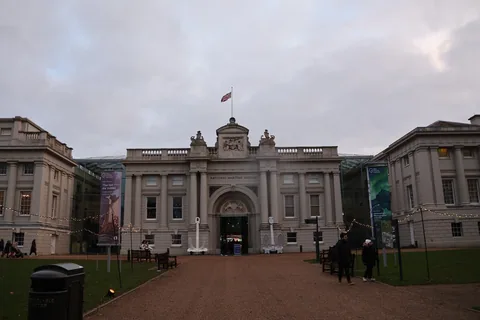
The National Maritime Museum, Greenwich
Free and enormous. What to see in ninety minutes, and what to skip.

Abney Park Cemetery
Gone half wild, with a restored chapel at the middle. Free.

London Zoo or the Sea Life Aquarium?
The zoo wins for most families. Here is the arithmetic, and the exception.

A Walking Route Through Queen Elizabeth Olympic Park
Two hours, Stratford to Hackney Wick, past everything that matters.
Photos in this list: photographer and licence for each image are listed on our image credits page.