
Islington is a lively, well-off residential district just north of central London, centred on Upper Street, a long road of restaurants, pubs, theatres and shops. It is a good place for an evening meal and a play, for browsing the antique and vintage stalls of Camden Passage, and for a quiet walk along the Regent's Canal.
Islington starts at Angel, about two kilometres north of the City of London and a short ride from King's Cross. In the 18th and 19th centuries it grew from a village on the road north out of London into a suburb of elegant squares and terraces. It went through hard times in the 20th century, then became fashionable again from the 1960s onwards, and today it is one of the most sought-after places to live in the capital.
For visitors, Islington is less about famous sights and more about atmosphere. It has no major museums or landmarks, but it does have one of the best concentrations of restaurants in London, several excellent small theatres and pleasant Georgian streets. It suits food lovers, theatregoers and travellers who want to see how Londoners actually live, and it makes a comfortable, well-connected base for a stay.
Islington at a glance
- Best for
- Restaurants, pubs, fringe theatre, antiques, canal walks
- Main stations
- Angel (Northern line, Bank branch); Highbury and Islington (Victoria line, Overground, National Rail)
- Camden Passage market
- Main days Wednesday, Saturday and Sunday; closed Monday and Tuesday
- Liveliest time
- Evenings, especially Thursday to Saturday
- Quietest time
- Weekday mornings
- Time needed
- An afternoon and evening
Upper Street, from Angel to Highbury Corner
Upper Street runs for about 1.5 kilometres north from Angel station to Highbury Corner. Along the way it is lined almost continuously with restaurants, cafés, pubs, bars and independent shops, with a scattering of chain stores. Cuisines range from Turkish and Lebanese to French, Italian, Japanese and modern British, and prices go from cheap to expensive.
The raised pavements along stretches of the street, above the level of the road, is a reminder of the old village. Halfway along, Islington Green is a small triangle of grass with a statue of Sir Hugh Myddelton, who built the New River in the early 17th century to bring fresh water to London. The street is a pleasant walk at any time, but it comes alive in the evening, when the restaurants fill and the pubs spill onto the pavements.
Just west of Angel station, Chapel Market is a traditional street market selling fruit, vegetables and household goods, much less polished than the rest of the area. At the southern end of the district, around Angel, the Business Design Centre hosts trade fairs and exhibitions.
Camden Passage: antiques, vintage and small shops
Despite its name, Camden Passage is in Islington, not Camden. It is a narrow, car-free lane just behind Upper Street near Angel station, lined with antique shops, vintage boutiques, cafés and small restaurants. On market days, stalls fill the lane and the small squares around it.
According to the area's official website, there are three outdoor market areas: Camden Passage Market, Charlton Place Market and Pierrepont Arcade Market. The main market days are Wednesday, Saturday and Sunday, when stalls in all the market areas open. The markets are closed on Monday and Tuesday. On Thursdays there are vintage clothing and jewellery stalls in Pierrepont Arcade, and on Fridays stalls in Camden Passage Market and Pierrepont Arcade. The website says this is a guide and subject to change, so check the Camden Passage market page before you go.
The stalls in the main Camden Passage Market sell antique and vintage jewellery, vintage clothing, collectables and one-off items, typically from 9am to 6pm on Wednesdays and Saturdays. Prices are not always marked; asking politely for "your best price" is normal on antique stalls, but aggressive haggling is not. If you enjoy markets like this, our guides to vintage and second-hand shopping and to Portobello Road's antique market cover the other big names.
Wednesday morning is Camden Passage's best-kept secret. Saturday draws the biggest crowds, but on Wednesday all the market areas are open too, the dealers have more time to talk, and you can look at the jewellery trays without people reaching over your shoulder. Arrive before 11am for the widest choice.
Theatre, comedy and live music
Islington is one of the best places in London for theatre outside the West End. The shows are often new plays or bold productions of classics, the audiences are enthusiastic and the tickets are usually cheaper than on Shaftesbury Avenue.
- The Almeida Theatre, just off Upper Street, is one of London's most respected mid-sized theatres. Several of its productions have transferred to the West End and Broadway.
- The King's Head Theatre is a small fringe venue linked to a pub on Upper Street.
- Sadler's Wells, on Rosebery Avenue a short walk south of Angel, is one of the world's leading dance venues, presenting contemporary dance, ballet and flamenco.
- The Union Chapel, a working Victorian Gothic church on Compton Terrace, doubles as one of London's most beautiful concert venues.
Buy tickets from each venue's own website. Our guides to London theatre, finding cheaper theatre tickets and comedy clubs around the city will help you compare options. Many of the small pub theatres are upstairs rooms with no lift, so check access in advance if you need step-free entry.
Walking the Regent's Canal through Islington
The Regent's Canal passes through the southern part of Islington, and the towpath is one of the most peaceful walks in this part of London. There is one complication: between the Caledonian Road area and the streets east of Angel the canal goes through the Islington Tunnel, almost a kilometre long, and there is no path inside. Walkers leave the canal at one end, follow the signed streets over the top, and rejoin it at the other.
East of the tunnel, the towpath leads past City Road Basin and on towards Victoria Park and Hackney. West of it, the path continues to King's Cross and its canal-side squares, and further still to Camden Market. A popular half-day walk is Angel to Camden along the canal, with a detour over the tunnel. The towpath is shared with cyclists and is narrow in places, so keep to one side and walk it in daylight.
Georgian squares and quiet streets
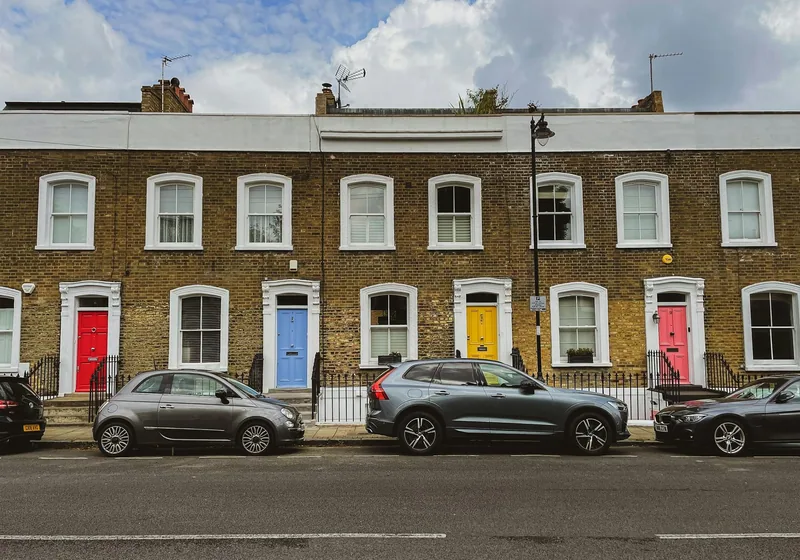
Step a few minutes away from Upper Street and Islington becomes much quieter. The area has some of the finest Georgian and early Victorian terraces in London, built around garden squares.
Canonbury Square, east of Upper Street and a short walk from Highbury Corner, is one of the most elegant. The writers George Orwell and Evelyn Waugh both lived there at different times. Nearby is the Estorick Collection, a small museum of modern Italian art in a Georgian house; check its opening days before you go. Further south, Duncan Terrace and Colebrooke Row run beside a long strip of gardens that follows the old course of the New River. Gibson Square and Milner Square, between Upper Street and Liverpool Road, show off the terraces at their grandest.
These are residential streets, so be considerate: keep noise down and do not photograph people's windows or doorways at close range.
Eating and drinking in Islington
Food is the main reason many Londoners come to Islington. Upper Street and the streets off it have hundreds of places to eat, from simple cafés and bakeries to well-known restaurants that need booking on Friday and Saturday nights. Exmouth Market, a short pedestrian street in neighbouring Clerkenwell (also in the borough of Islington), is lined with cafés and several respected restaurants, and makes a good lunch stop if you are walking to Sadler's Wells.
Islington is also a good area for traditional pubs, including grand Victorian ones with original tiles, mirrors and wood panelling. On Sundays, many of them serve roast lunches. Our guides to the Sunday roast and pub etiquette for visitors explain how ordering at the bar and paying work. Restaurants often add a discretionary service charge; check the bill before adding anything extra.
Ask about an early set menu before a show on Upper Street. Restaurants in theatre areas often offer a fixed two- or three-course menu early in the evening for people with tickets to a play. Not every place does, and the times vary, so ask when you book: where one exists, the saving over the main menu can be large.
Arsenal and the Emirates Stadium
Arsenal Football Club's Emirates Stadium is in Holloway, in the north of the borough, about 15 minutes' walk from Highbury and Islington station. Arsenal plays in the Premier League, and on match days the whole area around the stadium, including the stations, becomes very crowded before and after the game. If you are not going to the match, avoid travelling near the stadium at those times.
Stadium tours are available on non-match days, with adult tickets from £34. Our guides to Premier League football in London and London's stadium tours cover tickets, prices and how the tours compare.
Islington at different times
On weekday mornings, Upper Street is a local high street: people heading to work, parents with pushchairs and cafés serving coffee. It is pleasant but not especially interesting. Afternoons are good for browsing Camden Passage and the independent shops. Islington really shows its character in the evening, when the restaurants and pubs fill and the theatres open.
On Friday and Saturday nights, the bars near Angel and Highbury Corner get busy and loud, but the atmosphere is generally more relaxed than in Soho or Shoreditch. After midnight the side streets are very quiet. The area is considered safe, although, as anywhere in London, you should keep your phone out of reach of passing cyclists and scooter riders.
Getting to and around Islington
Angel station, on the Bank branch of the Northern line, is the gateway to Upper Street and Camden Passage. It is one stop from King's Cross St Pancras and a few minutes from Bank in the City. The escalators here are among the longest on the network. Highbury and Islington, at the northern end of Upper Street, is served by the Victoria line (fast connections to Oxford Circus, Green Park and Victoria), the Overground's Windrush and Mildmay lines and National Rail.
Buses are useful for the length of Upper Street: several routes run along it between Angel and Highbury Corner. Contactless and Oyster work on everything, and a day of Tube and bus travel in Zones 1 and 2 is capped at £8.90. See our guide to contactless, Oyster and daily caps for the details.
If you are looking for a base, Islington is well placed for Eurostar at St Pancras and for trains from King's Cross, and it is quieter at night than the West End. Our guide to the best areas to stay in London compares it with neighbouring districts.
Frequently asked questions
Is Islington worth visiting for tourists?
Yes, if you enjoy food, theatre and a lived-in, local atmosphere. Islington has no big landmarks, but Upper Street's restaurants, the Almeida Theatre, Camden Passage's antique stalls and the canal make it a rewarding afternoon and evening out, especially after a few days of central sightseeing.
What days is Camden Passage market open?
The main market days are Wednesday, Saturday and Sunday, when all three market areas have stalls. The markets are closed on Monday and Tuesday, with smaller vintage markets on Thursday and Friday. The organisers say the schedule can change, so check their website before visiting.
Is Camden Passage in Camden?
No. Despite its name, Camden Passage is in Islington, a short walk from Angel station. It has nothing to do with Camden Market, which is about 30 minutes away on foot along the Regent's Canal or a short ride on the Northern line.
Is Islington a good area to stay in London?
It is a good choice for travellers who want a calmer, residential base with excellent restaurants and fast links to King's Cross, St Pancras and the City. It is not in walking distance of most major sights, so you will use the Tube or buses every day.
Sources
- Camden Passage Islington - Market opening times (checked September 2026)
- Camden Passage Islington - Camden Passage Market (checked September 2026)
- Arsenal - Emirates Stadium tours (checked September 2026)
- Transport for London - Capping (checked September 2026)