
A careful day in London costs about £14 before food and bed, because the great museums are free and the Tube caps at £8.90. A comfortable day with two paid attractions and a black cab costs more than £100. This page shows the arithmetic for three daily budgets, names every price that goes into them, and marks clearly the two lines we will not invent for you.
Our guide to how much a trip to London costs covers the whole trip, from flights to insurance. This page is narrower: one day, per adult, in Zones 1 and 2, with September 2026 prices and a source for each one.
Two costs behave differently from the rest. Hotel rates change every night and by season, and restaurant menus change constantly, so no honest guide can give you a single number for either. Everything else in a London day is a published price, and once you see them laid out, the shape of the budget becomes obvious.
The fixed prices a day is built from
- Tube and rail daily cap, Zones 1-2
- £8.90
- Bus single
- £1.75, rising to £1.85 on 1 November 2026
- Bus daily cap
- £5.25, rising to £5.55 on 1 November 2026
- Oyster card, one-off
- £10.50, not refundable
- National museums and galleries
- Free
- Sky Garden
- Free, timed ticket
- Tower of London, adult
- £37.00
- Churchill War Rooms, adult
- £34.00
- London Eye, adult
- From £29 online, £39 on the door
- Shakespeare's Globe, standing
- £5 or £10
Transport: the cap does most of the work
The single most important number in a London budget is the daily cap. Touch in and out with the same contactless card or Oyster all day and Transport for London will never charge you more than the cap for your zones, however many journeys you make.
| Zones | Daily cap | Weekly cap, Mon-Sun |
|---|---|---|
| 1-2 | £8.90 | £44.70 |
| 1-3 | £10.50 | £52.50 |
| 1-4 | £12.80 | £64.20 |
| 1-6 | £16.30 | £81.60 |
| Bus and tram only | £5.25 | £24.70 |
Three things to know. The cap runs from 04:30 to 04:29 the next morning, not midnight to midnight. It only works if you use the same card or device all day, so a phone in the morning and a plastic card in the evening count as two separate accounts. And Heathrow Express, Gatwick Express, the river bus and the cable car sit outside it entirely.
A day spent entirely on buses costs £5.25 at most, and if you stay inside one hour you pay £1.75 for unlimited changes under the Hopper fare. For most visitors a bus-only day is the cheapest way to move around and the most interesting. Our guide to Oyster and contactless fares explains which card to use.
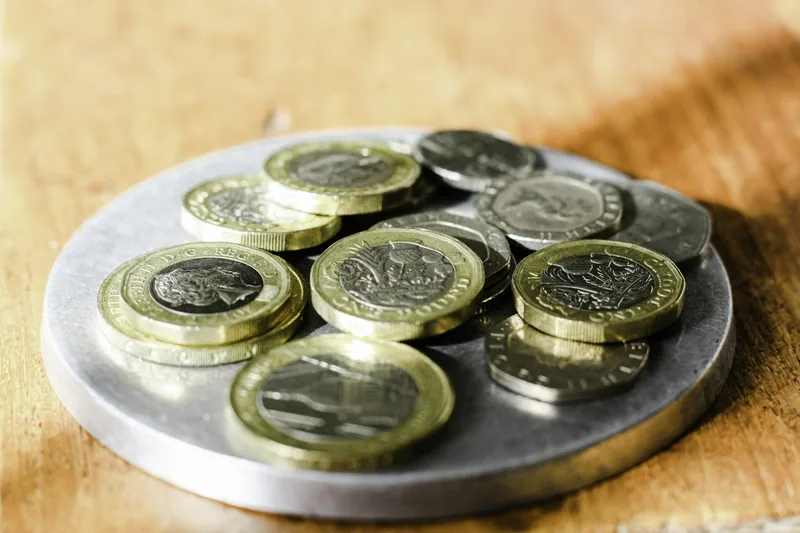
The three budgets, worked
Each of these is one adult, one full day, transport and sightseeing only. The food and accommodation lines come afterwards, kept separate on purpose.
| Day | What it contains | Cost |
|---|---|---|
| Careful | Bus-only travel (£5.25 cap); two free national museums; a free Sky Garden slot booked three weeks ahead; standing at Shakespeare's Globe (£5 Rush ticket) | £10.25 |
| Middle | Tube and bus to the Zone 1-2 cap (£8.90); Tower of London (£37.00); a free gallery in the afternoon; a river bus crossing in the Central zone off-peak (£9.90) | £55.80 |
| Comfortable | Zone 1-2 cap (£8.90); London Eye booked online (from £29.00); Churchill War Rooms (£34.00); a two-mile black cab in the daytime (£12.60 to £20.20); the cable car both ways (£13.50) | £98.00 to £105.60 |
The gap between the first and third is almost entirely paid attractions. London's museums and galleries are free, its parks are free, its bridges and markets and churches mostly are, and its best viewpoint costs nothing. The list of things that cost nothing is long enough to fill a week, which is why the careful day is genuinely careful rather than miserable.
The £5 Rush is the cheapest good evening in London. Shakespeare's Globe releases a limited number of £5 standing tickets online every Friday at 11:00 for the following week's performances. Ordinary yard tickets are £5 or £10 anyway. Three hours of professional theatre in a reconstructed Jacobean playhouse for the price of a sandwich is the single best value on this page: see our guide to Shakespeare's Globe.
The prices behind the paid attractions
These are the published adult prices in September 2026, so you can swap them in and out of the budgets above. Almost all of them are cheaper booked online than at the door, and several change with the season.
| Attraction | Adult price | Note |
|---|---|---|
| Tower of London | £37.00 (£40.70 with donation) | Allow three hours; last entry 16:30 |
| Churchill War Rooms | £34.00 | Price period to 31 March 2027 |
| Westminster Abbey | Check the Abbey's site | Closed to sightseeing on Sundays |
| St Paul's Cathedral | £27.00 (£29.70 with donation) | Sightseeing Monday to Saturday only |
| London Eye | From £29.00 online, £39.00 on the day | Closed all January |
| Tower Bridge | £18.00 | Child 5-15 £9.00; under-5s and companions free |
| The Shard viewing floors | Booking system only | Sky Garden is the free alternative |
| Kew Gardens | £25.00 online at peak, £17.00 off-peak from 1 November | £10 Tuesdays run to 29 December 2026 |
| ZSL London Zoo | From £27.70 online without donation | Four price tiers by day |
| Warner Bros. Studio Tour | £58.50 in 2026, £61.00 in 2027 | Must be pre-booked; shuttle included |
| Big Ben tour | £55.00 | Ages 11+; 334 steps; tickets released monthly |
| London Cable Car | £7.00 one way, £13.50 return | Not included in the daily cap |
The pattern is clear: one big paid attraction is roughly the same as a whole careful day. Two of them in a day is the decision that moves you from £55 to £100. Whether a sightseeing pass changes that arithmetic is worked through in our guide to is the London Pass worth it, and the answer depends almost entirely on how many paid sights you can stomach per day.
Food: the line we will not invent
We do not publish an average meal price, because London menus vary by a factor of ten within a mile and change several times a year. What we can do is give you the structure and the published anchors.
The Office for National Statistics stopped publishing its average price series in early 2025. The last figure it gave for a pint of draught lager, across the whole UK, was £4.83 in January 2025, and London is consistently above the national average. Treat that as a floor, not a guide.
Three patterns, which is what a day actually looks like:
| Pattern | A day of eating |
|---|---|
| Careful | Supermarket breakfast from a small branch; a supermarket meal deal eaten in a park; a market stall or a chain dinner; free tap water all day |
| Middle | Café breakfast; a set lunch or a market lunch; a pub dinner with one drink |
| Comfortable | Hotel breakfast; a sit-down lunch; a booked restaurant dinner with wine and a service charge |
Two structural savings are worth more than any individual choice. First, make lunch the main meal: set lunch and pre-theatre menus in central London are a fraction of the same kitchen's evening prices, as our guide to eating cheaply explains. Second, say "take away". Cold takeaway food is zero-rated for VAT while food eaten on the premises carries 20 per cent, which is why the same sandwich has two prices; the vocabulary is in British food words explained.
Tap water is free in any licensed premises if you ask for it, and a discretionary service charge on a bill can be removed if you ask; our tipping guide explains how to do that without a scene.
A bed: the other variable
Room rates move by season, by day of the week and by how far ahead you book, so a single figure would be wrong within a week of publication. What is stable is the shape of the market: hostel dormitories at the bottom, budget chain hotels above them, independent guesthouses alongside, and everything else above that. Our guides to hostels in London and budget hotels in London explain what you get at each level.
The budgeting point is that the room and the transport interact. A cheaper room in Zone 4 adds a higher fare cap (£12.80 rather than £8.90) and 40 to 60 minutes of travelling a day. For one person staying five nights that is £19.50 of extra fares, or £39.00 for a couple, plus about five hours of your holiday spent travelling, which frequently cancels out the saving. Work out the total, not the room rate.
The Oyster card fee is a one-off £10.50 that most visitors do not need to pay. If your bank card has the contactless symbol, tap it straight on the reader and you get exactly the same fares and the same daily and weekly caps. The card fee is not refundable. Buy an Oyster only if you need to add a Young Visitor discount for an 11 to 15-year-old, or a railcard discount, because neither can be applied to contactless.
Two adults and two children
Families do not simply double. Children under 11 travel free on the Tube, DLR, Overground and Elizabeth line with a fare-paying adult, up to four children per adult, and free on buses and trams up to the age of 10 without any card. For an 11 to 15-year-old, station staff can load the Young Visitor discount onto an Oyster card. It halves the adult rate, including the caps, and lasts a fortnight.
Take a household of two grown-ups plus a seven-year-old and a twelve-year-old, based in Zones 1-2. The adults hit the cap twice, at £8.90 each. The younger child costs nothing. The elder one caps at half rate, £4.45. That comes to £22.25 of transport for the whole day, with a single £10.50 outlay for the Oyster card the older child's discount has to sit on. Our guide to children's fares on London transport has the full rules.
Attractions go the other way. The same family at the Tower of London pays £37.00 twice for the adults and £18.50 twice for the children: £111.00 for one morning. That is why families generally spend less on transport and far more on sightseeing, and why the free museums matter more to a family than to anyone else.
What actually blows a budget
- Buying attraction tickets at the door. The London Eye is £29 online and £39 walk-up. ZSL London Zoo has four tiers and the gate price is the worst of them.
- Two big paid attractions in one day. It is the single decision that doubles the day.
- Airport transfers priced as sightseeing. Heathrow Express is £26.00 and sits outside the cap; the Elizabeth line is £15.50 from Zone 1 and sits inside it.
- Mixing cards. Tapping in with a phone and out with a plastic card breaks the cap and can trigger two maximum fares.
- Bottled water. Two bottles a day for a family of four, for a week, is a meal.
- The day trip you did not plan. Canterbury, Windsor and Oxford are all cheap by advance train and expensive on the day; see our guide to a day trip to Canterbury.
Rain is the other budget risk, because the fallback is usually a paid indoor attraction. Our guide to what to do in London on a rainy day is mostly free, which is the point. And if your trip is flexible, the cheapest weeks of the year are in January and February, as our guide to London in winter sets out.
For a systematic approach rather than a single day, our guide to London on a budget works through each category in turn. Prices on this page were correct in September 2026; check each attraction's own site before you book, because several move with the season, and the bus fare goes up in November 2026.
Frequently asked questions
How much should I budget per day in London?
For transport and sightseeing alone, roughly £10 for a careful day, £55 with one major paid attraction, and £100 or more with two. Food and accommodation sit on top and vary far too much for a single figure. The daily transport cap of £8.90 in Zones 1-2 means travel is the one cost you can fix in advance.
What is the maximum the Tube can charge me in a day?
£8.90 in Zones 1-2, £10.50 in Zones 1-3 and £16.30 in Zones 1-6, provided you use the same contactless card or Oyster for every journey. The capped day runs from 04:30 to 04:29 the following morning. Heathrow Express, Gatwick Express, the river bus and the cable car are not included.
Can you visit London on £50 a day?
For transport, sightseeing and food, yes, if you stay on buses, use the free museums and galleries, eat one supermarket or market meal, and skip paid attractions. Accommodation is the part that makes it hard: a bed in central London is usually the largest single cost of the day whatever else you do.
Is it cheaper to buy an Oyster card or use a bank card?
A contactless bank card is cheaper, because the fares and caps are identical and there is no £10.50 card fee. Buy an Oyster only if you need a discount that cannot go on contactless, such as the Young Visitor discount for an 11 to 15-year-old or a railcard discount.
Do children make a London day much more expensive?
On transport, no: under-11s travel free with an adult and 11 to 15-year-olds can get half-price fares. On paid attractions, yes: child tickets at the big sights are roughly half the adult price, so a family of four at one major attraction easily spends over £100 before anything else.
Sources
- Transport for London - Daily and weekly capping (checked September 2026)
- Transport for London - Bus and tram fares (checked September 2026)
- Historic Royal Palaces - Tower of London tickets and prices (checked September 2026)
- Imperial War Museums - Churchill War Rooms booking (checked September 2026)
- The London Eye - Tickets and prices (checked September 2026)
- Shakespeare's Globe - The £5 Rush (checked September 2026)
- Office for National Statistics - RPI average price, draught lager per pint (series ends January 2025) (checked September 2026)
- HMRC - Catering, takeaway food (VAT Notice 709/1) (checked September 2026)