
London has designer sample sales somewhere almost every week of the year, most of them in Mayfair or in east London warehouses, with discounts that typically run from 50% to around 80% off the shop price. The catch is that they are announced days rather than months ahead, so a visitor can rarely plan a trip around one, and the queue is only worth joining if you already know what you are looking for.
A sample sale is a short, temporary event where a brand or a specialist organiser sells stock that is not going into a shop: production samples, pieces lent to magazines and stylists, last season's leftovers, ends of lines and occasionally seconds. It happens in a hired room rather than a store, it usually lasts between one and four days, and when it is over there is nothing left to visit.
This page is about the mechanics: how to find out when one is on, what a ticket does and does not buy, what the law says about that "no returns" sign at the door, and whether a visitor should bother. Our guide to London Fashion Week explains the trade event these are often confused with, which has no public tickets at all.
Sample sales in brief
- What is sold
- Samples, press stock, end-of-line and previous-season pieces
- Typical discount
- Roughly 50% to 80% off the original retail price
- When
- All year, with clusters after each season ends: late spring and autumn
- Where
- Hired venues, mostly Mayfair and east London; there is no permanent address
- Notice given
- Often one to three weeks; sometimes days
- Entry
- Free at many brand sales; ticketed with a timed slot at the bigger luxury events
- Returns
- Normally refused, but that does not remove your rights over faulty goods
Three different things are all called a sample sale
The phrase covers events that work very differently, and knowing which one you are going to changes what you should expect.
A brand's own sale. One label clears its stock, usually in a hired room, usually free to enter. These are the closest to the original meaning of the term and the ones where prices are lowest relative to the label. In a typical month a single Mayfair venue might host a shirt maker, a handbag brand and a childrenswear label in succession.
A multi-brand organiser's sale. A company books a venue and brings in stock from many labels at once. These are larger, better publicised, and often ticketed with timed entry slots. The breadth is the attraction; the depth of any one brand is shallower.
A luxury resale event. Designer goods bought from stockists and suppliers rather than from the brand, sold at a discount. The labels on the rail are famous and the discounts are real, but you are buying from a reseller, not from Gucci. Authenticity depends on the organiser's own sourcing, so buy from events with a long trading record and keep the receipt.
None of the three is a shop, and none has a permanent address you can walk into next week.
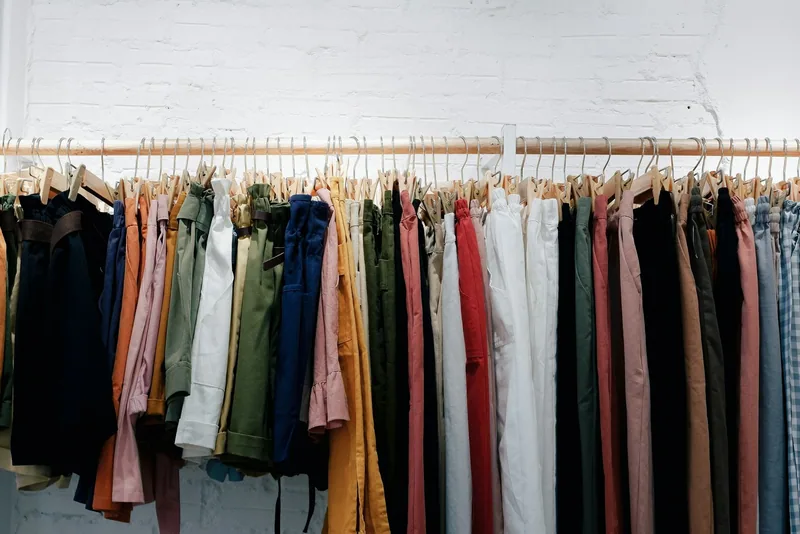
Where they actually happen
There is no sample sale district, but there are venues that host them again and again, and watching those venues is more reliable than watching any one brand.
In Mayfair, The Music Room at 58 Davies Street, W1K, runs an almost continuous programme and publishes its schedule publicly, with dates and times for each sale. Showcase, at 12 Regent Street, SW1Y, a few minutes' walk from Piccadilly Circus, hosts the larger ticketed luxury events. Both are in the middle of the West End, so a sale can be slotted into a day without crossing London.
East London is the other centre, in converted warehouses and studio buildings around Hackney, Shoreditch and Bethnal Green. These are less convenient and often cheaper, and they tend to be where the streetwear and independent labels end up. Our guides to Shoreditch and Hackney and London Fields cover the surrounding area, which is worth a morning in its own right.
Mayfair itself is worth seeing whether or not a sale is on. Our guide to Mayfair and St James's covers the streets, and Bond Street and Mayfair shopping covers the shops the samples came from.
How to find out when one is on
This is the part that defeats most visitors, because the information does not sit in one place. Four routes work, in this order of usefulness.
- The venues' own listings. A venue that hosts sales for a living publishes what is coming. Search for the venue by name rather than for "sample sale London", and look at its events or what's-on page.
- Brand mailing lists. If there is one label you would cross London for, join its newsletter before your trip. Brands tell their own customers first, often with a member preview day.
- Listing sites and social accounts. Several London sites and Instagram accounts do nothing but track sample sales, and they are the fastest way to see everything happening in one week. They are commercial operations, and a listing is not a recommendation.
- The calendar. Sales cluster after a selling season ends. Late May and June clear the spring collections; October and November clear autumn stock and catch the run-up to Christmas. January has a second wave. Fashion Week itself is the wrong week to look: the trade is busy showing, not clearing.
Do not book flights around a sample sale. Dates move, sales are cancelled, and most are announced two or three weeks ahead at best. Treat one as a lucky addition to a trip you were taking anyway. If you want a guaranteed designer discount on a fixed date, an outlet centre is the honest alternative; see our guide to outlet shopping near London.
What a ticket buys, and the rules at the door
Many brand sales are free and first come, first served. The larger luxury events sell timed tickets, and the ticket is an entry slot rather than a guarantee of stock. Arriving in the first slot of the first day is where the good pieces are; by day three the rails have been picked over.
Door rules at the ticketed events are stricter than people expect. A typical set, taken from the published conditions of one long-running London sale in September 2026, includes arriving at the time printed on the ticket, checking all coats and bags into a cloakroom, no food or drink inside, no prams in the main room, and an over-16s policy. Plan for that: travel light, and do not bring a suitcase.
Cash or card is decided by the organiser and is sometimes announced only at the door. Bring both. Fitting rooms vary from none at all, with people trying things over their clothes in the aisle, to proper cubicles at the better venues. Wear something you can change on top of quickly.
The "no returns" sign, and what the law actually says
Almost every sample sale displays a notice saying all sales are final, items are sold as seen, and no returns or refunds are accepted. It is worth understanding exactly what that notice can and cannot do, because the position is not what either side usually assumes.
GOV.UK's guidance for traders is explicit on two points. First, customers have exactly the same rights to refunds when they buy items in a sale as when they buy at full price. Second, it is illegal for a trader to restrict or take away a customer's rights or to mislead them about those rights, for example by displaying a sign saying that returns and refunds are not accepted.
So the notice cannot remove your right to a remedy if an item turns out to be faulty, not as described, or not fit for purpose. Those rights come from the Consumer Rights Act 2015 and a sign cannot override them.
What the notice can legitimately reflect is the other half of the rule. When you buy in person, GOV.UK says a trader does not have to refund you simply because you no longer want the item, for example because it is the wrong size or colour. There was never an automatic right to change your mind in a shop; that right applies to online, mail and telephone orders, which get 14 days. And a trader does not have to refund a fault you were told about before you bought, which is exactly how a garment sold openly as a second is priced.
Keep the receipt and photograph the rail ticket. If a seam fails a week later, your claim is against the seller, and a proof of purchase makes it straightforward. For an organiser that moves venue every month, an email receipt is far more useful than a paper one. Our guide to complaining and consumer rights in Britain explains how to take it further.
Sizes, samples and the thing nobody warns you about
Genuine production samples are made in one size, because that is what a sample is: the size the brand fits on. For womenswear that is commonly a UK 8 or 10, and for menswear a medium. A sale advertised as a true sample sale may therefore have very little for most bodies, which is the single most common disappointment.
Multi-brand and resale events are different, because they are selling shop stock rather than samples, and the size range is normal. If size is a concern, that is the kind of sale to go to.
Two other things to check on the rail. Sizes on clothes made for different markets are not the same: an Italian 42 is not a UK 42. And samples sometimes carry unfinished details, missing labels or a single small flaw that is the reason the piece never reached a shop. Look at seams, zips and linings under the light before you queue to pay.
What it costs, and what you cannot claim back
Entry is free at many sales and a few pounds for a timed slot at the big ones. The real question is what the clothes cost.
Expect roughly half to a fifth of the original price, depending on the brand and the day. That is a genuine saving on a £600 coat and an irrelevance on a £40 shirt, which is why sample sales make sense for one or two considered purchases and very little sense as general shopping.
Prices include VAT at 20%, and visitors cannot reclaim it. Britain's VAT refund scheme for overseas visitors was withdrawn at the start of 2021, and airport departure halls lost their VAT-free shopping then too, so the price on the tag is the price you pay. Our guide to tax-free shopping in the UK covers what remains of the rules, and UK customs allowances explains what you may bring in and out.
Is it worth a visitor's time?
For most people, no, and we would rather say so than pad the page.
A sample sale costs you a morning, usually involves a queue, and may have nothing in your size. If you have four days in London and a list of things you have never seen, a warehouse full of last season's coats is a poor use of one of them. The people for whom it works are those who live in the clothes of a particular label, know exactly what it costs at full price, and are prepared to buy on the spot.
There is a middle route. If a sale happens to be on in Mayfair on a day you are already in the West End, half an hour costs you nothing to look. Check the venue's listing the week you arrive, and treat a hit as a bonus.
The same clothes without the queue
London has better odds elsewhere for most visitors. The stock that does not sell at a sample sale reaches the resale market within a year, and the city's second-hand trade is unusually good.
Charity shops in wealthy postcodes carry designer pieces at ordinary charity prices, which our guide to charity shops in London explains, including which areas to walk. Dedicated vintage and consignment shops carry the same labels with a professional eye behind the buying; see vintage and second-hand shopping. And the weekend markets sell the deep end of the same trade, covered in our comparison of Camden Market and Borough Market and in our guide to Spitalfields and Brick Lane.
If what you want is the department store experience rather than the discount, our comparison of Harrods and Selfridges decides between the two, and London's department stores covers the rest. For a full day's plan, our shopping section sorts the city by street and by budget.
Frequently asked questions
How do I find out about sample sales in London?
Watch the venues rather than the brands. Specialist sale venues in Mayfair and east London publish their schedules, usually two to three weeks ahead. Join the mailing list of any label you particularly want, because brands notify their own customers first, and check the London listing sites and social accounts that track sales week by week.
How much cheaper are London sample sales?
Typically between 50% and around 80% below the original retail price, depending on the brand, the item and how late in the sale you arrive. The saving is meaningful on expensive pieces and marginal on cheap ones, which is why sample sales suit one considered purchase rather than general shopping.
Can you return something bought at a sample sale?
Not if you simply changed your mind: when you buy in person, a trader does not have to refund you because an item is the wrong size or colour. But a "no returns" sign cannot remove your legal rights if the item is faulty, not as described or not fit for purpose. GOV.UK says sale items carry exactly the same rights as full-price ones, and that displaying such a sign is illegal.
Do London sample sales have fitting rooms?
It depends entirely on the venue. The larger ticketed events in Mayfair advertise proper fitting rooms; smaller warehouse sales often have none at all, and people try things over their clothes. Wear something you can change on top of quickly, and check the organiser's own information before you go.
Are sample sale clothes genuine?
At a brand's own sale, yes: the brand is the seller. At a multi-brand resale event you are buying from a reseller who has sourced stock from stockists and suppliers, so authenticity rests on the organiser. Use events with a long trading record, keep the receipt and pay by card, which gives you a route to dispute a purchase.
Sources
- GOV.UK - Accepting returns and giving refunds: the law (checked September 2026)
- GOV.UK - Consumer protection rights (checked September 2026)
- Consumer Rights Act 2015, Part 1 Chapter 2 (goods) (checked September 2026)
- GOV.UK - Tax on shopping and services: tax-free shopping (checked September 2026)