
London runs on contactless payment. A bank card or phone with the contactless symbol pays for the Tube, buses, taxis, shops and most cafés, and London buses do not take cash at all. Carry a small amount of cash in pounds as a back-up, but most visitors hardly need to use it.
The UK's currency is the pound sterling, written £ and often called "pounds" or, informally, "quid". One pound is 100 pence (p). The UK does not use the euro, and shops in London generally do not accept euros or dollars, so you will pay in pounds whether you use cash or a card.
For most visitors the practical question is not how much cash to change, but whether your card will work smoothly and what it will charge you. This guide explains the notes and coins, how contactless works in shops and on public transport, how to avoid poor exchange rates, and the few situations where cash still helps.
Paying in London: the short version
- Currency
- Pound sterling (£); 100 pence = £1
- Banknotes
- £5, £10, £20, £50, all plastic (polymer)
- Buses
- No cash; pay by contactless card, phone or Oyster
- Black cabs
- Must accept contactless cards, with no surcharge
- Contactless limit in shops
- Usually £100, but it now depends on your card issuer
- Tax-free shopping
- No VAT refunds for visitors in Great Britain
Pounds and pence: the notes and coins you will see
The Bank of England issues four banknotes: £5, £10, £20 and £50. All of them are now made of polymer, a thin, flexible plastic that survives the washing machine. Since June 2024, new notes carry a portrait of King Charles III. Notes with Queen Elizabeth II are still legal tender and circulate side by side with the new ones, so you do not need to exchange them.
Coins come in 1p, 2p, 5p, 10p, 20p, 50p, £1 and £2. The £1 coin is small, thick and twelve-sided; the £2 coin is larger, with a gold-coloured outer ring. You will rarely need many coins in London, and some visitors leave with a pocketful they never spent.
The old paper £20 and £50 notes stopped being legal tender on 30 September 2022. If you find some at home from an earlier trip, they have not lost their value: the Bank of England will exchange them, and some banks and Post Offices may accept them too. Shops will not.
A shop may refuse your £50 note. The Bank of England explains that a shop owner can choose what forms of payment to accept. Some smaller shops refuse £50 notes, and some cafés and market stalls take cards only. If you get cash from an ATM, smaller notes are easier to spend.
Scottish and Northern Irish notes
Banks in Scotland and Northern Ireland issue their own pound notes. They are the same currency, but they are not legal tender in England, and London shops may choose not to accept them. If you arrive from Edinburgh or Belfast with local notes, try to spend them before you travel south, or use them at a bank.
Contactless cards and phones: how they work in shops
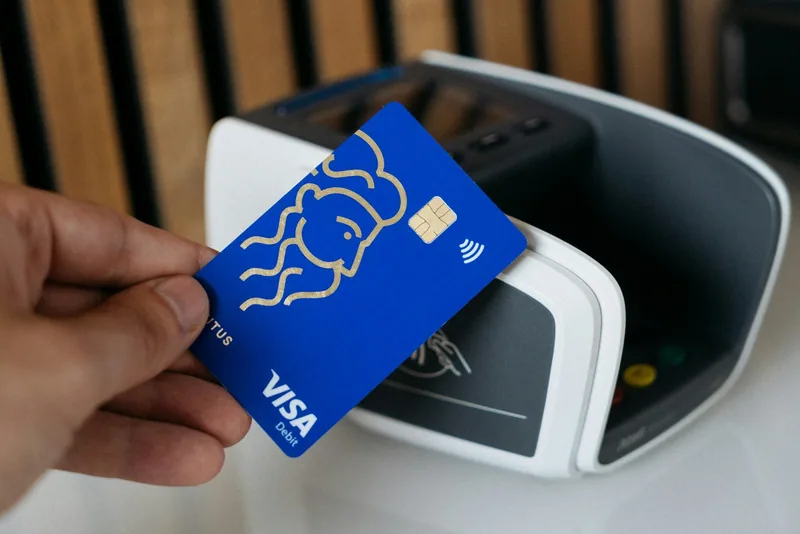
In central London you can pay by card in the great majority of shops, restaurants, pubs and museum cafés, usually with contactless. You hold your card or phone near the reader, and the payment goes through without a PIN for most everyday amounts. Apple Pay and Google Pay work in the same way.
For many years there was a fixed limit of £100 per contactless payment. Since a rule change by the Financial Conduct Authority in March 2026, banks and payment firms with strong fraud controls can set their own limits. In practice, the limit is usually still £100, but it now depends on the bank that issued your card. Above the limit you insert the card and enter your PIN, so make sure you know it before you leave home.
Our guide to what a London trip costs gives typical prices for meals, drinks and sights, which helps you judge how much you will spend on your card each day.
Paying for the Tube, buses and taxis
Public transport is where contactless matters most. You can pay for the Tube, buses, the Elizabeth line, the DLR, the Overground, trams and most National Rail services in London by touching the same contactless card or phone on the yellow reader at the start and end of each journey. TfL says many contactless cards issued outside the UK work, but your bank may add overseas charges, so check with your card issuer before you travel.
The big advantage is the daily cap. However many journeys you make, the Tube and rail cost no more than £8.90 a day in Zones 1-2. Buses and trams are capped separately at £5.25 a day, with a single bus fare of £1.75 (rising to £1.85 on 1 November 2026). Our explainer on Oyster, contactless and the daily caps sets out all the numbers.
- Use one card or device per person, all day. A phone in the morning and a plastic card in the evening count as two different customers, and you lose the cap. An iPhone and an Apple Watch also count as different devices.
- Keep other cards away from the reader. If your wallet holds two contactless cards, the reader may charge the wrong one. TfL calls this "card clash".
- Watch your battery. A phone that dies mid-journey cannot touch out, and you may be charged a maximum fare.
- Buses do not take cash. Without a card or Oyster you cannot pay on board. Our guide to London buses explains the rest.
If you do not have a suitable card, a Visitor Oyster card is the alternative. It costs £10.50 plus postage, cannot be bought in London itself (order it before your trip, or buy it at Gatwick, Stansted or on board Eurostar), and gives the same fares and caps. Paper single tickets for the Tube cost £7.00, far more than pay as you go.
For taxis, TfL requires every licensed black cab to have a working card machine and to accept contactless payment, with no extra charge for paying by card. With app-based services you normally pay through the app. Our guide to black cabs, minicabs and Uber compares them.
Foreign card fees apply to your Tube fares too. TfL works out your fares at the end of each day and applies the cap, so charges can take up to 48 hours to appear on your account. Whatever fees your bank adds to foreign payments will be added to those charges as well. A card without foreign transaction fees, or a Visitor Oyster card, keeps the cost of getting around predictable.
Exchange rates, fees and paying in your own currency
The cost of spending money abroad usually comes from three places: your bank's foreign transaction fee, the exchange rate it uses, and any extra charges at the point of payment. Ask your bank before you travel what it charges for card payments and cash withdrawals in pounds.
When you pay by card, a shop terminal or ATM may offer to charge you in your home currency instead of pounds. This is sometimes shown as a choice between "GBP" and your own currency. Before you accept, compare the rate on the screen with the rate your own bank would use. If you cannot tell which is better, paying in pounds keeps the conversion with your bank, whose charges you can check in advance.
Exchanging cash before you travel or at the airport is rarely necessary. If you want some pounds in your pocket on arrival, withdraw a modest amount from a cash machine after you land, or order a small amount from your bank at home.
Cash machines: free, charging and what foreign cards pay
Cash machines are called ATMs or cashpoints in the UK. Most of them belong to the LINK network, and most withdrawals on LINK machines are free for debit cards from UK banks. Some machines charge a fee. If they do, they must say so on a sign outside and on the screen, and you can cancel without paying before the withdrawal goes through.
Visitors should know one important limitation. Cards issued by banks that are not LINK members, which includes most foreign cards, may be charged at machines that are free for UK customers, and these charges are not shown on LINK's online map. Your own bank may add its own fee too. Check with your bank before you go, and take out larger sums less often rather than many small ones.
Machines inside bank branches and larger shops are generally a safer choice than stand-alone machines in quiet places. Shield your PIN, and be aware of people standing close behind you. Our guide to staying safe in London covers pickpockets and scams in more detail.
When cash is still useful
London is close to cashless, but a small amount of cash, say £20-£40 in smaller notes, is a sensible back-up. It helps if your card is blocked by your bank, if a card reader stops working, or at the occasional small trader who prefers cash.
Some places have moved the other way and become card-only. At Hampstead Heath's bathing ponds, for example, payment becomes cashless from 1 October 2026, and the bars on the Uber Boat river buses are cashless. Do not rely on cash alone.
Tipping is another reason some people like to carry coins or a few notes, although you can often add a tip on the card machine. Our guide to tipping in London explains who expects what. Public toilets run by TfL are free, so you will not need coins for those, but some toilets run by others do charge.
VAT, service charges and other costs on the bill
Prices in UK shops include VAT, the sales tax, usually at 20%. What you see on the price tag is what you pay. Visitors cannot claim VAT back when leaving Great Britain: the tax-free shopping scheme was withdrawn on 1 January 2021, and airport shops no longer sell VAT-free goods either. The only exception is when a shop sends your purchase directly to an address outside the UK. Our guide to tax-free shopping in the UK covers the details.
In restaurants, the bill may include a service charge. It should be clearly shown on the menu or the bill, and a discretionary service charge is optional. There is no tourist tax on hotel bills in London at present, although the government plans to let the Mayor introduce one in future.
If you are carrying a large sum of money into the country, the rules are different: cash of £10,000 or more must be declared at the border. See our guide to what you can bring into Britain.
What to sort out before you leave home
A few minutes of preparation saves most of the problems visitors have with money in London:
- Check your card's foreign fees for payments and withdrawals in pounds, and consider a card without them.
- Make sure your card is contactless and that you know its PIN for larger payments.
- Set up your phone wallet (Apple Pay or Google Pay) as a back-up, but note that TfL says a wallet linked to a non-UK card may not always work on public transport.
- Bring two different cards, kept in different places, in case one is lost or blocked.
- Save your bank's emergency number so you can block a card quickly if it is stolen.
For a full picture of daily costs and where you can save, read our guide to London on a budget. If you are planning your first trip, our guide for first-time visitors puts money alongside everything else you need to know.
Frequently asked questions
Do I need cash in London?
Very little. Cards and phones with contactless work almost everywhere, including all black cabs, and London buses do not accept cash at all. A small amount of cash, perhaps £20-£40 in smaller notes, is a useful back-up if a card fails or a small trader prefers cash.
Can I use my foreign contactless card on the Tube?
Usually, yes. TfL says many contactless cards issued outside the UK work on its network, with the same fares and daily caps as UK cards. Your bank may add overseas transaction fees, so check its charges before you travel.
Are old paper banknotes still valid in London?
No. Paper £20 and £50 notes stopped being legal tender on 30 September 2022, and shops will not take them. They keep their value, though: the Bank of England exchanges withdrawn notes, and some banks and Post Offices may accept them.
Can I use euros or dollars in London?
Generally not. Shops, restaurants and transport in London charge in pounds sterling. Pay by card and let your bank convert the amount, or withdraw pounds from a cash machine after you arrive.
Should I pay in pounds or my home currency when asked?
A card machine or ATM may offer to charge you in your home currency. Compare the rate it shows with your own bank's rate before accepting. If you choose pounds, your bank converts the amount at its own rate and fees, which you can check before you travel.
Sources
- Bank of England - Banknotes (checked September 2026)
- Bank of England - What is legal tender? (checked September 2026)
- Financial Conduct Authority - Greater flexibility on contactless limits (checked September 2026)
- LINK - Charges for cash (checked September 2026)
- Transport for London - Pay as you go (checked September 2026)
- Transport for London - Taxi fares (checked September 2026)
- GOV.UK - Tax-free shopping (checked September 2026)