
A replacement passport, or the one-trip document that stands in for it, can come from one place and one place only: the government that issued the original. So the call that matters is to your own embassy, high commission or consulate here. Report a theft to the police first where you can, because both the embassy and your insurer will want the reference number.
Almost nobody loses a passport in a dramatic way. It goes missing from a hotel room that has already been packed up, or it is in the jacket that went into the overhead locker on the Tube, or it is in a bag that was taken in a crowd, one of the risks our overview of how safe London is sets out. The practical problem is the same either way: you cannot leave the country without a travel document, and the only organisation that can give you one is your own government.
Our page on emergency numbers and what to do if something goes wrong puts this in the context of everything else that can go wrong on a trip. This page goes further on the passport itself: how long each step takes, what the British authorities can and cannot do for you, and what happens to a UK visa or ETA that was in the lost document.
The first four steps
- 1. Search properly
- Room safe, the front desk, then the lost property service of whatever you travelled on
- 2. Report it
- If stolen: police online or on 101. Ask for the crime reference number
- 3. Contact your embassy
- Find it in the London Diplomatic List on GOV.UK. Nobody else can issue you a new document
- 4. Tell your carrier
- Airline, Eurostar or ferry company, so they know what document you will travel on
- Do not use
- GOV.UK's "report a lost or stolen passport" service. That is for British passports only
- Police numbers
- 999 if a crime is happening now; 101 or online reporting otherwise. Both free
Search before you report
It sounds obvious and it is still the step people skip. Look in the room safe, including under the shelf where a passport can slide flat and disappear, then ask at the front desk, then check the safe deposit behind reception if you used one.
Anything mislaid on the transport network goes to TfL's own service, which handles nearly all of its modes. Enquiries are made online, a search can take a fortnight, and recovered property is held for a limited period before disposal. Nobody visits a counter: items are couriered or collected by appointment, with an administration fee to pay. Our page on TfL lost property explains the process.
Train companies, private hire firms and each airport keep entirely separate systems, so something left on one of those goes to that operator instead. TfL handles licensed black taxis but not minicabs and private hire cars, a distinction our guide to black cabs, minicabs and Uber explains. For a very recent loss on a bus, TfL asks you to approach the bus company first.
Do not sit waiting for an answer before you begin the embassy process. A fortnight is longer than most holidays.
The GOV.UK page you will find, and why it is not for you
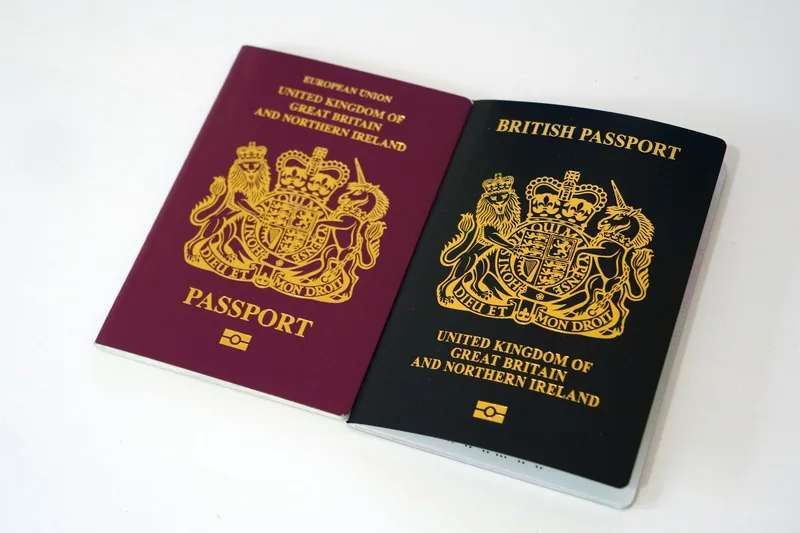
Search for "lost passport UK" and the first result is GOV.UK's service for reporting a lost or stolen passport. That service is for British passports. Using it does nothing for a foreign passport, and reporting a document you do not hold will not help you leave the country.
Britain runs no service that replaces another state's passport. Neither the Home Office nor the police nor Border Force has the power to hand you a travel document. More visitors misunderstand this than anything else on the page, and it costs them days.
Finding your embassy or consulate
The Foreign, Commonwealth and Development Office keeps the London Diplomatic List on GOV.UK, updated on 1 September 2026. It carries addresses and contact details for all the missions accredited here, and is published alongside separate lists of honorary consulates and of consular offices elsewhere in the country, in Edinburgh, Cardiff, Manchester and Birmingham.
Use that list rather than a search engine. Websites that offer to book embassy appointments or to "expedite" documents for a fee are not part of the process, and the government warns generally about sites that imitate official services.
A few practical points that apply almost everywhere, though every mission is different:
- Consular sections usually open for a few hours in the morning only, on weekdays.
- Many require an appointment booked online, and some have an emergency telephone line for exactly this situation.
- Most will want a police report or reference, proof of identity, passport photographs, evidence of your travel plans, and a fee.
- Some can issue a document the same day; others send the application to their own capital.
We deliberately do not publish times, fees or procedures for individual embassies, because they differ from one country to the next and change without notice. Ask your own embassy and take the answer from them.
Telephone your embassy before you travel across London to it. Consular sections are often at a different address from the embassy itself, and several are outside central London. Turning up at the wrong building with a morning appointment is a wasted day you cannot afford.
What an emergency travel document actually is
Most countries will issue a document of last resort, variously called an emergency travel document, a temporary passport or a laissez-passer, to a citizen stranded abroad without one. It is not a passport. Typically it is valid for a single journey, or a short period, and for a named route home.
Because it is limited, it can affect the rest of your trip. A document issued for a direct flight home may not be accepted for a route that transits a third country, and some countries will not admit a traveller on an emergency document without their own visa. If you were planning to leave London for Paris or anywhere else in Europe before going home, raise that with your embassy at the first conversation rather than the last.
If the trip is effectively over, change the flights before you change anything else. Airlines will often waive a change fee in these circumstances, but only if you ask while the ticket is still valid.
Reporting the theft, and the reference number you need
If the passport was stolen rather than mislaid, report it to the police. In an emergency, where a crime is happening or someone is in danger, call 999, which is free. Otherwise use the Metropolitan Police's online reporting service or call 101, also free.
Ask for the crime reference number and write it down at once, because your embassy will usually want it, your insurer certainly will, and memory is unreliable. Thefts on the Underground, on a train or inside a station belong to the British Transport Police, who take a text message on 61016 or a call on 0800 40 50 40.
Report quickly. Footage from the transport network's cameras is retained briefly and then overwritten, so a same-day report is worth far more than one filed at the end of the week. Write down the time, the place and the line or route number while it is fresh.
Our companion pages on how pickpockets work and on the scams aimed at visitors cover what to do in the first ten minutes after a theft more generally.
If you had a UK visa or an ETA in that passport
This is where the answer has changed, and older advice online is now wrong.
The UK has moved from physical visa stickers to digital records. GOV.UK states that physical visa vignettes are no longer being issued, and that where a valid vignette was in a lost or stolen passport the holder should use their eVisa instead, signing in to their UKVI account to add the new passport's details. If you hold a UK visa, that account is now the thing that matters, not the sticker.
For most visitors the relevant document is the Electronic Travel Authorisation rather than a visa. An ETA costs £20, lasts two years or until the passport it was granted against expires, whichever comes first, and is linked to that specific passport. A new passport therefore breaks the link. It does not affect your ability to leave the country, but it does affect your next trip, so check the position on the official ETA pages before you next book, and apply through GOV.UK or the UK ETA app rather than any other website. Our guide to UK entry requirements and the ETA explains the scheme.
You do not need to tell the Home Office that your passport is gone in order to leave the United Kingdom. Britain has no exit passport control in the way some countries do, but your airline or train operator will check your documents before you board.
Getting home: the carrier decides
The gatekeeper here is not any government but whoever is carrying you. Let the airline, Eurostar or ferry operator know in advance which document you intend to present, rather than producing it at the desk.
Eurostar is the case that catches people out, because passport checks for both the United Kingdom and the Schengen area take place at St Pancras before you board, not on arrival. Eurostar asks Standard and Plus passengers to arrive 75 minutes before departure for that reason. Our page on Eurostar from London sets out the check-in times.
Allow more time than usual at the airport too. A journey on an emergency document normally means a manual check at the desk rather than a self-service bag drop, and it can mean a second conversation at the gate.
What to do before you leave home
The difference between a bad afternoon and a ruined week is almost entirely preparation, and all of it is free.
- Photograph the photo page of your passport and email it to yourself, so you can reach it from any device. Keep a paper copy in a different bag from the passport.
- Note your passport number, date and place of issue somewhere separate.
- Store your embassy's London address and its out-of-hours number on the phone before departure.
- Carry two passport photographs. Photo booths exist in London stations, but finding one at 09:00 on the morning of an appointment is an unnecessary problem.
- Keep the document in the room safe on days you will not need it, and carry a driving licence or a photocopy for identification instead.
Most hotels will not insist on keeping your passport, and there is no legal requirement for a visitor to carry one in Britain, although you will need identification for some transactions and for age checks.
Money, cards and insurance while you sort it out
A stolen passport is usually stolen with other things. Block the cards first, from the bank's app or its international number, which is why that number should be written down somewhere other than on the back of the card.
Replacing a passport costs money, and so does changing flights. Check your travel insurance policy for cover of both, and note that insurers normally require the crime reference number and will ask when you reported it. Our page on travel insurance and healthcare cover explains what a policy typically covers for a trip to Britain; we do not recommend insurers.
If you are left without working cards, you may need cash at short notice. Our guides to money in London and to changing money explain where the reasonable rates are and why the airport is the worst place to look.
Frequently asked questions
Who replaces a foreign passport lost in London?
Only the country that issued it. Its embassy, high commission or consulate in the United Kingdom can replace the passport or issue an emergency travel document. No British authority can do this. Find the contact details in the London Diplomatic List published on GOV.UK, which was last updated on 1 September 2026.
Do I need a police report for a lost passport?
For a theft, yes: file it and take down the crime reference number, since your embassy is likely to want it and your insurer almost certainly will. Reporting is free, online or on 101. Where a passport has simply been mislaid, start with the venue and the relevant lost property service, then ask your embassy what evidence it expects.
How long does an emergency travel document take?
It depends entirely on your own country. Some consular sections in London issue one the same day; others have to refer the application to their capital. Contact your embassy as early as you can, ask how long it takes and what they need, and do not book a replacement flight until you have that answer.
What happens to my UK visa or ETA if my passport is stolen?
UK visas are now held digitally. GOV.UK says physical visa vignettes are no longer issued and that someone whose valid vignette was in a lost or stolen passport should use their eVisa, adding the new passport details to their UKVI account. An ETA is tied to the passport it was granted against and lasts two years or until that passport expires, so check the official ETA pages before your next trip.
Can I fly home without a passport?
Not without some accepted travel document. The airline, train company or ferry operator decides what it will accept, so tell them what you will be travelling on before you get to the terminal. Allow extra time at check-in, because an emergency document usually means a manual check rather than a self-service bag drop.
Sources
- GOV.UK - Foreign embassies in the UK: the London Diplomatic List (checked September 2026)
- GOV.UK - Contact the police (checked September 2026)
- GOV.UK - How to replace a physical visa if you're outside the UK (checked September 2026)
- GOV.UK - Get an electronic travel authorisation (ETA) to visit the UK (checked September 2026)
- Transport for London - Lost property (checked September 2026)
- Eurostar - Check-in and arrival times (checked September 2026)