
When the London Underground is on strike, the rest of London's transport usually keeps moving: in recent Tube strikes TfL has run the Elizabeth line, London Overground, trams and most buses as normal, although they get very crowded. Check the TfL strikes page the day before and on the morning you travel, then plan around the lines that are still running.
A Tube strike happens when staff on the London Underground, most often members of a trade union such as the RMT, stop work for one or more days in a dispute over pay or working conditions. Strikes are announced in advance, and TfL publishes what it expects to run on each day. The effect varies a great deal. Sometimes almost no Tube trains run at all; sometimes most lines run a reduced service and only a few close completely.
For a visitor, the key point is that the Tube is only one part of the network. The Elizabeth line, the Overground, the DLR, trams and buses are run under separate arrangements, and in the strikes of September 2025 and April 2026 TfL expected them to operate. With some planning, you can still reach most sights, stations and airports.
Tube strike day: the short version
- Where to check
- tfl.gov.uk/campaign/strikes and the TfL status page
- Usually still running
- Elizabeth line, London Overground, trams, most buses (all very busy)
- Can be hit separately
- DLR and some bus routes, when their own staff strike
- No strike listed
- No Tube strike was listed on TfL's strike page on 17 September 2026
- Best fallback in the centre
- Walking, buses, Santander Cycles
How to check whether a strike will affect your trip
TfL keeps one page for all planned industrial action: tfl.gov.uk/campaign/strikes. It lists which services are affected, on which dates, and what TfL expects to run. When a strike is called off or suspended, the page says so. On 17 September 2026 it listed no Tube strike. The only item was a planned bus strike in east, north-east and central London, which had been suspended, with buses running as normal.
On the day itself, use the live status page or the free TfL Go app. During the April 2026 strike, TfL advised passengers to check their travel every day, because the service changed from morning to afternoon. Journey Planner and TfL Go also take the closures into account when they suggest a route, which saves you working it out yourself.
Look at the strike page again the evening before. Disputes are sometimes settled at the last minute, and a strike that was on in the morning can be suspended by the evening.
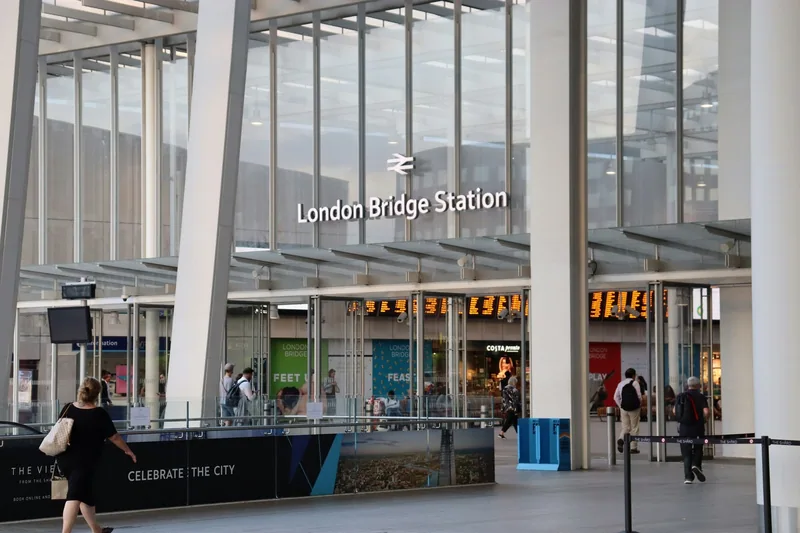
What usually keeps running during a Tube strike
TfL's press releases for the last two major Tube strikes give a clear picture of what to expect.
In September 2025, TfL warned of "little to no" Tube service on four weekdays. It said the Elizabeth line, London Overground and trams would operate but were likely to be extremely busy. The DLR had its own, separate strike on two of those days, and some bus routes in west London were hit by a separate bus strike later that week.
In April 2026, only Tube drivers were on strike. TfL expected "some service on most London Underground lines", but with significant disruption and big differences between lines. No trains were expected on the Piccadilly and Circle lines, on the Metropolitan line between Baker Street and Aldgate, or on the Central line between White City and Liverpool Street. The Elizabeth line, DLR, Overground, trams and most bus routes ran normally, though very busy.
| Service | September 2025 strike | April 2026 strike |
|---|---|---|
| Tube | Little or no service on most days | Reduced service on most lines; some lines closed |
| Elizabeth line | Running, extremely busy | Running normally, very busy |
| London Overground | Running, extremely busy | Running normally, very busy |
| DLR | No service on two days (separate strike) | Running normally |
| Buses | Running; some routes hit by a separate strike | Most running; seven routes hit on one day |
| Trams | Running | Running |
Two lessons follow. First, "Tube strike" does not always mean the whole Tube stops, so read the day-by-day detail. Second, other groups of staff can strike in the same week, so check the DLR and buses as well.
Stations shared with the Tube
Many big stations are shared between the Tube and other services. In 2025 TfL warned that when Tube stations close, some other trains may be unable to stop at every station or run to their normal destination. A station such as Whitechapel or Liverpool Street may therefore work differently from a normal day, even though the Elizabeth line itself is running. Follow the signs and ask staff at the entrance.
Timing your day around the strike hours
Strikes do not always cover whole days, and the hours before and after matter. In September 2025, TfL expected disruption on the Sunday before the main strike days, with any trains that did run finishing early, and no Tube service before 08:00 on the Friday after the strike. In April 2026, the action started at 12:00 on one day and ended at 12:00 on another, so mornings and afternoons looked very different.
The practical rule is simple: expect the first morning after a strike to be slow, and do not book anything important for early that morning if it depends on the Tube. If the strike ends at midday, plan a late lunch rather than a noon museum slot across town.
The day after the strike is not a normal day either. Trains and staff have to be put back in position, so services often start late and build up during the morning. If you have an early flight or a Eurostar departure the morning after a strike, plan to use the Elizabeth line, the Overground or a taxi, and leave extra time.
Crossing central London without the Tube
The Elizabeth line is the most useful single line on a strike day. It runs east to west through Paddington, Bond Street, Tottenham Court Road, Farringdon, Liverpool Street and Whitechapel, with a branch to Canary Wharf. If your hotel is near one of these stations, you can still cross the centre quickly, but expect full trains and queues on the platforms.
The Overground and the DLR cover a ring of inner London and the Docklands. They are less useful for the West End, but good for places like Shoreditch, Stratford, Greenwich and Canary Wharf. Our guide to the DLR and Overground explains the lines and their new names.
London's bus network carries on in most strikes, but roads also fill up as people switch from the Tube. TfL warned in 2025 that roads were "likely to be extremely busy". Buses are still worth using for short hops, and the Hopper fare lets you change buses within an hour for a single £1.75 fare (rising to £1.85 on 1 November 2026). Cash is not accepted, so use a contactless card, a phone or an Oyster card.
Walking is often faster than you think
TfL itself advises people to walk or cycle where they can during strikes. Central London is more compact than the Tube map suggests: many stations in the West End are only a few minutes apart on foot. Our guide to walking in London shows which journeys are quicker on foot, and a strike day is a good moment to walk along the river through the South Bank rather than travel under it.
Santander Cycles
London's hire bikes are a real option for confident cyclists. A single ride costs £1.65 for up to 30 minutes, and a Day Pass starts at £3.50 for unlimited rides of up to 60 minutes over 24 hours. E-bikes cost £3 per 30 minutes and can only be hired through the app or with a membership key. Docking stations near busy Tube stations may empty quickly on strike days. Our cycling guide covers the routes and the rules.
Taxis, minicabs and the river
Black cabs keep working during Tube strikes, but demand rises and traffic slows, so fares on the meter climb. For a sense of scale, TfL's typical weekday daytime fares are £8.40 to £13.00 for one mile and £12.60 to £20.20 for two miles. All black cabs must accept contactless payment with no surcharge. Minicabs, including app-based services, must be booked in advance, never hailed on the street. Our comparison of black cabs, minicabs and Uber explains the difference.
The Uber Boat river bus links Westminster, the London Eye, Tower, Canary Wharf and Greenwich. It can be a calm alternative on a strike day if you are going along the Thames, and it accepts contactless and Oyster. It is not part of the daily cap, though, so each trip is paid in full: an off-peak Central zone journey costs £9.90 on pay as you go (fares valid until 31 October 2026).
Getting to and from the airports during a strike
Heathrow is the airport most affected, because the Piccadilly line is the cheapest way there. In the April 2026 strike, TfL expected no Piccadilly line service at all. The Elizabeth line is the main alternative. It costs £15.50 from Zone 1 or £14.60 from Paddington with pay as you go, takes 28 minutes from Paddington, and runs to all Heathrow terminals. Heathrow Express (Paddington to Heathrow in 15 minutes, £26.00 single) is run separately from the Tube; check its own website on the day. Our comparison of every way from Heathrow into town sets out the options.
Gatwick, Stansted and Luton are served by National Rail trains, not the Tube, so a strike by Tube staff does not directly affect those trains. The problem is reaching the London terminus. Victoria, London Bridge, Liverpool Street and St Pancras are big Tube interchanges, so allow time to reach them by bus, Elizabeth line, Overground or on foot. Our guide to London's main railway stations shows where each one is.
For an early flight, the night bus can beat a closed Piccadilly line. Night bus N9 runs from Aldwych via Trafalgar Square and Piccadilly Circus to Heathrow Central Bus Station and Terminal 5. It is not affected by a Tube strike, although it may be affected by a separate bus strike. Our guide to late-night and early-morning airport transport covers the other options.
Paying for travel on a strike day
Nothing changes about how you pay. Contactless, phone wallets and Oyster work on every service that runs, and the daily cap still limits what you spend on the Tube, Elizabeth line, Overground, DLR and buses. If you usually take the Tube and switch to buses, you may even spend less: the bus and tram daily cap is £5.25, against £8.90 for Zones 1-2. The Oyster and contactless guide explains how the caps work.
Remember that the Elizabeth line to Heathrow counts towards the daily cap, while Heathrow Express, the river bus and the cable car do not. A strike day that ends with a trip to the airport can therefore cost more than you expect.
Adjusting your plans on the day
A Tube strike is a good day to stay local. Pick one area and explore it on foot rather than crossing the city several times. South Kensington's museums, the Westminster and Whitehall area, and the City and Tower of London are all compact. If a strike falls on a day you had planned for Greenwich or Stratford, those are both reached easily by the DLR, Overground or Elizabeth line when those lines are running.
If you use a wheelchair or need step-free access, check before you set out. Crowded trains and closed stations make step-free journeys harder, and a lift you rely on may be in a closed station. Our guide to step-free travel in London explains the help TfL staff can give.
Finally, book timed tickets with some flexibility where you can. A museum slot at 10:00 on the far side of town is hard to reach on the first morning of a strike. A slot at 14:00 near your hotel is much easier. For a wider picture of the network, see our visitor's guide to the Underground.
Frequently asked questions
Is there a Tube strike in London this week?
Check TfL's strikes page at tfl.gov.uk/campaign/strikes, which lists all planned action and any strikes that have been suspended. On 17 September 2026 no Tube strike was listed. Look again the evening before and the morning you travel, because plans can change at short notice.
Does the Elizabeth line run during a Tube strike?
In the Tube strikes of September 2025 and April 2026, TfL expected the Elizabeth line to operate, but it was very busy. Each strike is different, though, so read TfL's day-by-day forecast rather than assuming. Some shared stations may work differently, so check TfL's status page on the day.
How do I get to Heathrow if the Piccadilly line is on strike?
Use the Elizabeth line from central London, which runs to all Heathrow terminals and costs £15.50 from Zone 1 with contactless or Oyster. Heathrow Express from Paddington is faster but costs £26.00 for a single. For very early departures, night bus N9 from central London is another option.
Do buses run during a Tube strike?
Yes, most buses keep running during a Tube strike, but they are much busier and roads are more congested. Bus drivers sometimes hold their own strikes on particular routes, which TfL lists separately on its strikes page, so check that too.
Can I get a refund if a strike ruins my plans?
With pay as you go you only pay for the journeys you make, so there is nothing to refund for trips you did not take. For paper tickets, attraction bookings or tours, check the terms of the company you bought from, as their rules differ.
Sources
- Transport for London - Strikes (checked September 2026)
- Transport for London - Customers urged to check before they travel ahead of strike action next week (16 April 2026) (checked September 2026)
- Transport for London - Customers urged to check before they travel as RMT union members plan strike action on the Tube next week (2 September 2025) (checked September 2026)
- Transport for London - Tube, Overground, Elizabeth line, DLR and Tram status (checked September 2026)
- Transport for London - Santander Cycles: what you pay (checked September 2026)
- Transport for London - Taxi fares (checked September 2026)
- Transport for London - Getting to and from Heathrow on the Elizabeth line (checked September 2026)