
London has live music every night of the year, from orchestras in the Royal Albert Hall and song recitals at Wigmore Hall to jazz in basement clubs in Soho and Chelsea and rock and indie bands on the small stages of Camden. The best venue for you depends on the music you like, but the booking rule is the same everywhere: buy from the venue or its named ticket partners.
London's music venues fall into a few simple groups. There are the big concert halls for classical music, several of them run by charities with good-value tickets. There are jazz clubs, often small and dark, where you sit at a table and may need to eat. There are rock, pop and electronic venues in converted theatres and old industrial buildings. And at the top end there are the arenas and stadiums where the biggest international tours play.
Many of the best nights happen in rooms that hold only a few hundred people. This guide picks out the venues most useful for a visitor, explains what each is like and how booking works, and flags the house rules that tend to catch people out, such as bag limits, cashless bars and meal requirements.
London's music venues at a glance
- Classical
- Royal Albert Hall, Wigmore Hall, the Barbican, Southbank Centre, St Martin-in-the-Fields
- Jazz
- Ronnie Scott's (Soho), 606 Club (Chelsea), Vortex (Dalston), Jazz Cafe (Camden)
- Rock, indie and pop
- Roundhouse, KOKO and Electric Ballroom (Camden), O2 Academy Brixton, Union Chapel (Islington)
- Cheapest regular concert
- Friday lunchtime concerts at St Martin-in-the-Fields, £10 (September 2026)
- Getting home
- Night Tube on Friday and Saturday nights on five Tube lines and the Windrush line
The Royal Albert Hall and the big classical halls
The Royal Albert Hall in South Kensington is London's best-known concert hall. Queen Victoria opened it in 1871 in memory of her husband, Prince Albert, and its huge round auditorium holds more than 5,000 people. It hosts everything from rock concerts and film screenings with a live orchestra to ballet, circus and comedy. Every summer it is the main home of the BBC Proms, the eight-week classical music festival: in 2026 the season ran from 17 July to 12 September. Our guide to the BBC Proms explains how Proms tickets and standing places work.
The hall runs guided tours, and its website lists the current tour times and prices. The nearest Tube station is South Kensington, about a 15-minute walk away. Event times, bag rules and prices differ from show to show, so confirm them on the hall's official website, royalalberthall.com, before you go.
The Barbican and the Southbank Centre
The Barbican Centre, in the concrete Barbican estate in the City of London, is a large arts centre and the home of the London Symphony Orchestra, which also runs shorter early-evening concerts there introduced by the performers. The Barbican also programmes jazz, contemporary and world music. People aged 16 to 29 can join Young Barbican for free and get discounted tickets. The Barbican states that tickets sold through unauthorised third parties, including online auction and "fan to fan" resale sites, are not valid for entry.
On the South Bank, the Southbank Centre includes the Royal Festival Hall, built for the Festival of Britain in 1951, and the smaller Queen Elizabeth Hall and Purcell Room. Its programme runs from orchestral concerts to jazz, folk and contemporary music. The building sits on the riverside walk between the London Eye and Waterloo Bridge, so it is easy to combine with an afternoon on the river.
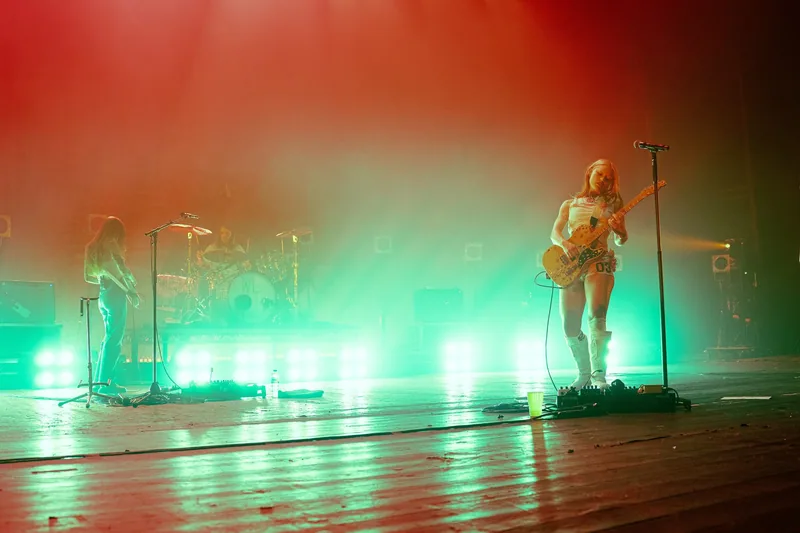
Photo: Sol Procter-Tarabanov · CC BY-SA 4.0 · Wikimedia Commons · resized
Wigmore Hall and intimate classical music
Wigmore Hall, on Wigmore Street in Marylebone, is a small hall built for chamber music and song recitals. It opened in 1901, and its acoustics and close atmosphere make it a favourite with musicians and serious listeners. If you enjoy string quartets, piano recitals or art song, this is the place to hear them in London. Bond Street station is a few minutes' walk away.
Prices vary by concert, so check the hall's own listings for current tickets and any reduced-price schemes. Many classical venues in London run reduced-price tickets for young people, so it is worth checking before you pay full price.
Friday lunchtime at St Martin-in-the-Fields
The church of St Martin-in-the-Fields stands on the north-east corner of Trafalgar Square. Its Friday lunchtime concerts start at 1pm in the church, with tickets at £10 (concessions available), or £20 including lunch of fish and chips or soup and a sandwich (September 2026). In the evenings it holds candlelight concerts of popular classical works. The nearest station is Charing Cross, and Leicester Square and Embankment are close by.
A £10 concert beside the National Gallery. The Friday 1pm concert at St Martin-in-the-Fields fits neatly between a morning at the National Gallery across the square and an afternoon elsewhere in the West End. For a couple it costs £20, or £40 with lunch included.
Jazz clubs: from Soho basements to Dalston
London's jazz scene is strong, and its clubs range from world-famous rooms to informal spaces where young musicians try out new ideas. Most are small, so book ahead for weekends.
Ronnie Scott's, Soho
Ronnie Scott's on Frith Street in Soho has been one of the world's best-known jazz clubs since 1959. You sit at tables close to the stage, and food and drink are part of the evening. Prices and seating options vary by show, so check the club's own website before you book.
The 606 Club, Chelsea
The 606 Club has presented live music since 1976 and has been at its current basement on Lots Road, in Chelsea, since 1988. It books only UK-based musicians, playing jazz, soul, Latin, blues and related styles seven nights a week, and the room seats around 100 to 120 people. It is licensed as a restaurant, not a bar, so non-members can be served alcohol only with a meal, and on Fridays and Saturdays that means a main course. A music charge goes straight to the band. The club says the average spend for two or three courses, music and service is around £45 per head (September 2026). Book for Fridays and Saturdays, and confirm your booking by 3pm on the day.
The Vortex and Cafe Oto, Dalston
In Dalston, north-east London, the Vortex Jazz Club is a small room with a mix of seats and standing space: seats are guaranteed only for members and for people who cannot stand and say so in advance. Standard tickets in September 2026 ranged from £12.50 to £25 depending on the gig. Nearby, Cafe Oto is known for experimental, improvised and avant-garde music. Both are a good choice if you want to hear something new rather than jazz standards.
Jazz Cafe, Camden
The Jazz Cafe in Camden Town is a long-established venue for live music and club nights, and despite the name its programme goes well beyond jazz. Check listings on its official website, thejazzcafe.com. A different web address with a similar name, jazzcafe.co.uk, is not the venue's site.
Camden's stages: Roundhouse, KOKO and Electric Ballroom
Camden Town has more live music venues packed into a small area than anywhere else in London, from famous theatres to pub back rooms. It is busy and noisy at night, and it is easy to see two small gigs in one evening.
- The Roundhouse is a former railway engine shed near Chalk Farm station, with a circular main space on two floors and a smaller Studio Theatre of up to 180 people. It hosts concerts, circus and theatre. The box office and bars are card only, the cloakroom charges £4 per item, and security checks include bag searches.
- KOKO, directly opposite Mornington Crescent station, opened in 1901 as the Camden Theatre and later became the Camden Palace before reopening as KOKO in 2004. It holds up to 1,410 people standing on the floor and balconies. You cannot bring in food or drink, and only transparent, empty bottles are allowed.
- Electric Ballroom on Camden High Street began as an Irish club and has hosted punk, rock and indie bands for decades.
Camden venues set their own bag rules. Several venues search bags and limit what you can bring, and some bars take cards only. Check the event page the day before, travel light, and keep your phone and cards in a zipped pocket in crowded queues.
South and north: Brixton Academy and Union Chapel
O2 Academy Brixton in Brixton opened in 1929 as the Astoria cinema and reopened as Brixton Academy in 1983. Its sloping floor gives good views even from the back, and its Art Deco interior and huge stage make it one of the city's favourite venues for major rock, pop and dance acts. The venue warns that tickets bought from touts outside may be invalid, and some events ask for photo ID matching the name on the ticket. Brixton station, at the end of the Victoria line, is close by.
Union Chapel in Islington is a Grade I listed church that doubles as a concert venue. It is fully seated on wooden pews, and seats are usually unreserved, so arrive when the doors open for a good place; the venue suggests bringing a small cushion. Acoustic, folk and singer-songwriter concerts sound especially good here, and the building also supports charitable work for people facing homelessness.
Arenas and stadium shows
The biggest touring artists play London's arenas and stadiums, including The O2 on the Greenwich peninsula (North Greenwich station, Jubilee line) and Wembley Stadium in north-west London. These concerts sell out quickly, and demand attracts unofficial resellers and fake tickets. Buy only through the links on the artist's or venue's official website, and be very careful with anyone selling tickets on social media.
The Society of Ticket Agents and Retailers (STAR), the ticketing industry's self-regulatory body, warns of websites that offer tickets for events already sold out everywhere, or before they have officially gone on sale, and says some fraudulent sellers arrange to "meet you at the venue" with tickets and never appear. If you are caught out, report it to Report Fraud, run by the City of London Police, online or on 0300 123 2040.
Sold out means sold out. If an arena show has no tickets on the official site, a stranger offering seats outside the venue or through a direct message is the most likely route to losing your money. Use the official resale option named by the venue or artist, if there is one, and wait for returns there.
Booking tips, costs and getting home
Prices vary widely: a Friday lunchtime concert can cost £10, a club gig £12 to £25, and a major arena show far more. Booking fees depend on the seller, and some venues add a transaction fee. For a couple, a night at a small jazz club with dinner can easily cost more than a concert hall ticket, because the food is part of the deal. Check what is included before you book.
Many concerts finish while normal Tube services are still running, but check the end time and your last train. On Friday and Saturday nights the Night Tube runs on the Central, Jubilee, Northern, Piccadilly and Victoria lines and on the Windrush line; between them the Northern, Victoria and Jubilee lines serve Camden Town, Brixton and North Greenwich; see our guide to the Night Tube for details. On other nights, use the N-prefixed routes in our guide to London's buses and night buses.
If you want to carry on after the music, our guide to London nightlife covers clubs and late bars. For a cheaper evening, our round-up of free things to do in London includes free events and performances.
Frequently asked questions
What is the most famous concert venue in London?
The Royal Albert Hall in South Kensington is London's best-known concert hall. It opened in 1871, holds more than 5,000 people and is the main venue of the BBC Proms each summer. It hosts classical, rock, pop and film concerts throughout the year.
Where can I hear jazz in London tonight?
Ronnie Scott's in Soho, the 606 Club in Chelsea, the Vortex in Dalston and the Jazz Cafe in Camden all have music most nights. Book ahead for Fridays and Saturdays, and check whether the club expects you to eat: at the 606 Club, non-members are served alcohol only with a meal.
Are there cheap classical concerts in London?
Yes. St Martin-in-the-Fields on Trafalgar Square holds Friday lunchtime concerts at 1pm for £10 (September 2026). Young people can often get reduced prices, for example through the free Young Barbican scheme for ages 16 to 29.
Can I bring a bag to a London concert?
Usually a small one, but rules vary. Many venues search bags, and some ban outside food and drink or opaque bottles. Large bags and suitcases may be refused or charged at the cloakroom, so check the event page before you go.
How do I get home after a late gig in London?
Many concerts end while the Tube is still running, but check your last train. On Friday and Saturday nights the Night Tube runs on five Tube lines and the Windrush line, and night buses run across London every night. Use a licensed black cab or a booked minicab if you take a car.
Sources
- St Martin-in-the-Fields - Visitor FAQs (checked September 2026)
- The 606 Club - About the club (checked September 2026)
- KOKO - FAQs (checked September 2026)
- Roundhouse - Main building (checked September 2026)
- O2 Academy Brixton - About us (checked September 2026)
- Union Chapel - Plan your visit (checked September 2026)
- Barbican - Box office and ticketing information (checked September 2026)
- Transport for London - Night Tube (checked September 2026)