
Ham House and Marble Hill face each other across the Thames between Richmond and Twickenham. Marble Hill is free to go into; Ham House charges around £18 for an adult. Between March and October a small passenger ferry crosses between them for £2, which makes the pair a single afternoon rather than two separate trips.
This is the most rewarding stretch of the Thames in London and almost no visitor sees it. The two houses are a century apart, one dark and Stuart and one bright and Georgian, and walking from one to the other by boat takes about two minutes.
The riverside itself is the other half of the attraction. Our guide to Twickenham and the Richmond riverside covers the area, and this page is about doing the two houses and the crossing properly in one go.
The two houses compared
- Ham House
- South bank, National Trust; adult around £18, family around £45
- Marble Hill
- North bank, English Heritage; free, house open Wednesday to Sunday and bank holidays, 10am to 5pm
- Hammerton's Ferry
- £2 adult, £1 child over three; 1 March to 31 October, 10am to 6pm daily
- Bikes on the ferry
- £1 extra for an adult bike, 50p for a child's
- Marble Hill park
- Over 60 acres, open daily, free, with a cafe open all year
- Ham House parking
- Free, 400 yards away in the council car park at the end of Ham Street
- Nearest station
- Richmond for both, then a walk or the 371 or 65 bus
- Best months
- April to October, when the ferry runs and both gardens are at their best
Ham House: what you pay and what you get
Ham House stands on the south bank, set back behind a meadow, with its main gates facing the river. It is a 17th-century house whose interiors and contents survive to an unusual degree, which is why the National Trust makes so much of it. The garden is formal, walled and considerably larger than the house suggests from the front.
| Ticket | Without Gift Aid | With Gift Aid |
|---|---|---|
| Adult, 18 and over | £18.00 | £19.80 |
| Child, 5 to 17 | £9.00 | £9.90 |
| Family, 2 adults and up to 3 children | £45.00 | £49.50 |
| 1 adult and up to 3 children | £27.00 | £29.70 |
Under-fives go free and National Trust members enter free. RHS main cardholders and Art Fund members are also admitted. These were the published figures when we last read the National Trust's price table in 2026; the Trust's own page blocks automated checks, so confirm the current price on the National Trust site before you travel.
There is no pre-booking system. You go to Visitor Reception at the main river-facing gates when you arrive and pay there.
The house opens much later than the garden and shuts much earlier. On a typical day the garden is open from 10am to 5pm but the house only from 11.30am to 3.30pm, with last entry half an hour before closing. Arrive at 10am for the house and you will spend an hour and a half looking at hedges. Check the day's timings on the National Trust page and aim to be at the door when the house opens.
The cafe and the second-hand bookshop open from 10am, the shop from 10.30am. Last orders in the cafe are ten to fifteen minutes before it closes. In summer the Trust stages open-air theatre in the grounds, with tickets sold separately; recent seasons have run around £20 for an adult.
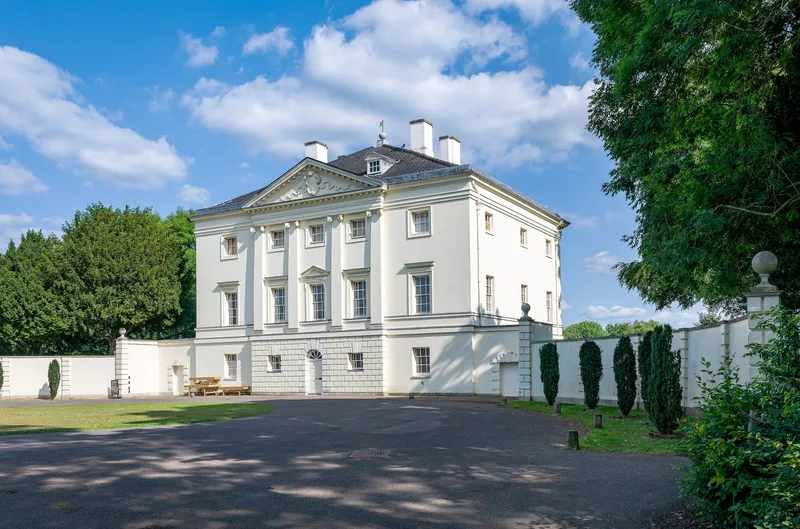
Photo: Tilman2007 · CC BY-SA 4.0 · Wikimedia Commons · resized
Marble Hill: free, and properly so
Across the water, Marble Hill is a white Palladian villa in more than sixty acres of riverside parkland, and English Heritage charges nothing to go in. You can book a free timed ticket online, which guarantees entry, but you do not have to.
The house opens Wednesday to Sunday and on bank holidays, from 10am to 5pm. Inside are conserved Georgian interiors and displays about Henrietta Howard, the courtier who built the house and made it a centre of literary society. Outside there are restored gardens, replanted woods and a nine-pin bowling alley, which is exactly as odd as it sounds.
The park and the Coach House Cafe are open every day of the year. Cafe hours change with the season:
| Period | Coach House Cafe |
|---|---|
| 28 March to 1 November 2026 | Daily, 8am to 5pm |
| 2 to 30 November 2026 | Daily, 8am to 4pm |
| 1 December 2026 to 1 February 2027 | Daily, 8am to 3.30pm |
On the eastern edge of the park a sheltered Woodland Walk loops through varied planting, and the wide lawn facing the river is one of the best picnic spots in west London. Commercial dog walkers need a licence from English Heritage, but ordinary dog walking is fine.
If money is tight, do Marble Hill and skip Ham House. A family of four can have a full day at Marble Hill, including the house, the park and coffee, for the price of the coffee. Ham House is the better building, but £45 for a family is a real decision, and the free option here is unusually good.
The ferry, and what it actually is
Hammerton's Ferry has run across this reach since 1908 and is still a family business. It is not a chain ferry or a rope crossing: it is a small motor launch that carries foot passengers and bicycles between the Twickenham towpath, near Marble Hill, and the Ham side by the meadow in front of Ham House.
| Fare | Price (September 2026) |
|---|---|
| Adult | £2.00 |
| Child over three | £1.00 |
| Adult bicycle | £1.00 extra |
| Child's bicycle | 50p extra |
It runs daily from 1 March to 31 October, from 10am to 6pm, which is a longer season than most guidebooks suggest. Cash and cards are both accepted, with a 2 per cent surcharge on card payments. You queue along the towpath and wait to be called down, leaving room for passengers getting off.
The same operator hires out rowing boats at £8 for an adult and £4 for a child, with a £20 deposit per boat, payable in person and with no need to book.
Do not search for the ferry by name and click the first result. The address hammertonsferry.com no longer belongs to the ferry and now serves unrelated commercial content. The operator's own site is at hammertonsferry.co.uk. Between November and February the ferry does not run at all, and the nearest crossings are Richmond Bridge upstream and Teddington Lock downstream, both a long walk.
A day that works
Start at Richmond station. Walk south along the towpath past Richmond Bridge, which takes about half an hour and is flat the whole way, with Richmond Park rising on your left. Alternatively take the 371 bus towards Kingston and get off at Ham Street, then walk the last half mile.
Do Ham House first, arriving for the 11.30am house opening. Eat in the Orangery cafe or on the meadow. Cross on the ferry at about two o'clock, walk up through the park to Marble Hill and go into the house, then finish with coffee at the Coach House and the walk into Twickenham or back along the north bank to Richmond Bridge.
That is about five hours, two houses, one ferry crossing and roughly six kilometres of flat walking. Our guide to the Thames Path covers the wider route, which continues upstream towards Hampton Court and downstream towards Kew.
Getting there without a car
Richmond, on the District line, the Mildmay line of the Overground and South Western Railway, is the hub for both houses. From there:
- To Ham House: a mile and a half on foot by the towpath, or two miles by road. The 371 from Richmond towards Kingston stops at Ham Street, leaving a half-mile walk, and the 65 from Ealing Broadway stops at Sudbrook Lane, leaving three-quarters of a mile along the old avenues. Both routes call at Richmond station.
- To Marble Hill: cross Richmond Bridge and walk west along the north bank, or take a bus towards Twickenham. St Margarets and Twickenham stations are both within walking distance.
Our guide to London buses explains how to use them if you are not used to the system. Ham House visitors arriving by car get free parking 400 yards away in the council-run car park at the end of Ham Street, beside the river; satnav will send you to the stables, so carry on past them.
Access, and dogs
At Ham House the garden is level but the surfaces are gravel and cobbles, which are hard work in a wheelchair. There is a ramp into the ground floor of the house and portable ramps beyond the Great Hall, but no lift, so the upper floors and the basement are reached by stairs only. Manual wheelchairs can be borrowed from Visitor Reception if you book ahead by email; the mobility scooter has been out of service. Blue badge parking on site is very limited and must be reserved.
Dogs on short leads are welcome in the garden, shop and cafe at Ham House, and assistance dogs go everywhere including the house. Marble Hill's park is open parkland and easy going. Our accessible London guide has more, and London with children covers the family side; the ferry, for most children, is the best part of the day.
What else is nearby
Strawberry Hill House is twenty-five minutes' walk upstream from Marble Hill and is the third great house on this stretch of river. Richmond itself has the shops and the riverside pubs, several of which appear in our guide to riverside pubs on the Thames.
Further afield, Chiswick House downstream has free gardens and a paid villa, and Hampton Court by boat turns the upstream leg into a day of its own. For a house of the same period done completely differently, see Eltham Palace in south-east London.
Frequently asked questions
Is Marble Hill free to visit?
Yes. English Heritage charges nothing to enter Marble Hill House, which opens Wednesday to Sunday and on bank holidays from 10am to 5pm. You can book a free timed ticket online to guarantee entry, but it is not required. The surrounding park and the Coach House Cafe are open daily all year.
How much does Ham House cost?
Around £18 for an adult and £9 for a child aged five to seventeen, or about £45 for a family of two adults and up to three children, without the optional Gift Aid donation. Under-fives and National Trust members go free. The Trust's website blocks automated checks, so confirm the current figure before you travel.
When does the Hammerton's Ferry run?
Daily from 1 March to 31 October, from 10am to 6pm. It costs £2 for an adult and £1 for a child over three, with £1 extra for an adult bicycle and 50p for a child's. Cards are accepted with a 2 per cent surcharge. There is no service from November to February.
Can you walk between Ham House and Marble Hill?
Not directly, because they are on opposite banks. Without the ferry you must go round by Richmond Bridge upstream or Teddington Lock downstream, either of which adds a long walk. Between March and October the ferry crossing takes a couple of minutes and costs £2.
What time does Ham House open?
The garden usually opens at 10am and the house only at 11.30am, closing at 3.30pm with last entry half an hour before. The cafe and second-hand bookshop open at 10am and the shop at 10.30am. Timings vary by season, so check the day's hours on the National Trust page before setting out.
Sources
- National Trust - Ham House and Garden (prices and opening times read from a 2026 archived copy; site blocks automated access)
- English Heritage - Marble Hill prices and opening times (checked September 2026)
- English Heritage - Marble Hill (checked September 2026)
- Hammerton's Ferry - Services and fares (checked September 2026)