
Gerrard Street is not the best Chinese food in London, and most Londoners who eat Chinese food regularly do not eat it there. The regional cooking, Sichuan, Hunan, Xi'an, Dongbei, Fujian and Cantonese done slowly, is in Bayswater, on Walworth Road, in Bloomsbury and Camden, and out in the suburbs where the communities live.
"Chinese food" covers a country the size of a continent. Cantonese cooking from the south, which arrived in Britain first, is mild, fresh and steam-heavy. Sichuan food from the west is numbing with peppercorns and hot with chilli. Xi'an and the north-west run on wheat rather than rice, with hand-pulled noodles and lamb. Dongbei cooking from the north-east is heavy, sour and built for cold weather. You can eat all of these in London within Zone 3.
Our guide to Chinatown covers Gerrard Street, its gates, its bakeries and how dim sum works there. This page is about the alternatives and why they are usually better.
Where the regional cooking is
- Queensway and Bayswater
- Cantonese dim sum and roast meats on a scale Chinatown cannot match. Queensway and Bayswater stations, Zone 1
- Walworth Road, Elephant and Castle
- Large Cantonese dining rooms and dim sum. Elephant & Castle, Zones 1 and 2
- Bloomsbury and Euston
- Xi'an noodles, Sichuan and northern Chinese, feeding a large student population
- Colindale and Hendon
- North-west London's newer Chinese restaurants and supermarkets
- Croydon and Kingston
- Suburban Cantonese and Malaysian-Chinese
- What to look for
- A short menu, a full room, and a separate menu in Chinese
Why Gerrard Street struggles
This is not snobbery. Chinatown occupies a few short streets in one of the most expensive retail districts in Britain, surrounded by theatres. Rents are high and turnover is enormous, which pushes restaurants towards long menus, fast service and dishes that travel well across a crowded room. Some restaurants there are excellent, especially for dim sum at lunchtime and roast duck. But the economics push against the slow, specific cooking that a regional restaurant depends on.
Restaurants in Bayswater, Walworth or Colindale pay less rent and serve more regular customers, many of whom are Chinese. That changes what is on the menu and how it is cooked.
Ask for the other menu. Many regional restaurants keep a second menu, in Chinese, with the dishes the kitchen is proudest of. It is not a secret and staff are usually delighted to be asked. Point at what other tables are eating, ask what it is, and order that. The worst that happens is a short conversation.
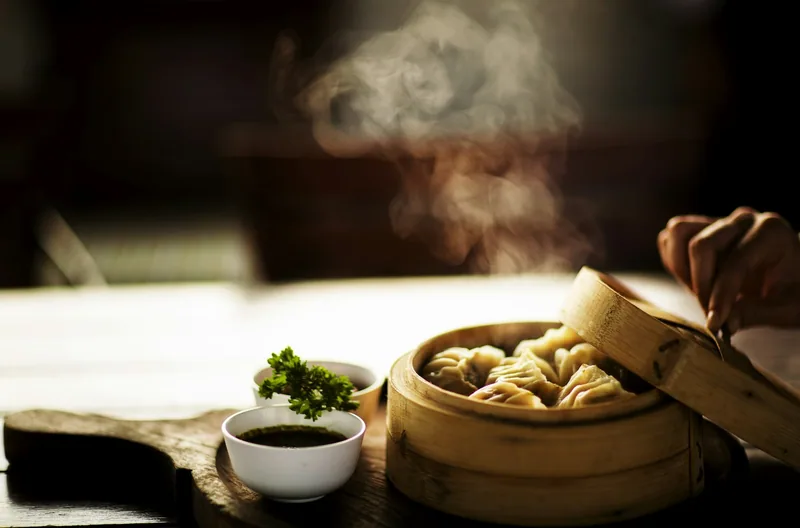
Queensway and Bayswater: Cantonese at scale
Queensway runs north from Bayswater to Westbourne Grove, with Underground stations at each end in Zone 1. It has been a centre of Cantonese eating in London for decades, with large dining rooms doing dim sum by day and banquet cooking by night, plus supermarkets, bakeries and bubble tea.
The Royal China group, which has restaurants in Bayswater, Baker Street and elsewhere, is the best-known name for dim sum on this side of town. Treat it as one option: the smaller rooms on the same street and on Westbourne Grove are where the queue-on-Sunday crowd goes.
Dim sum here follows the same rules as anywhere: go between 11:30 and 15:00, order four or five items for two people and add more as you go, and expect the bill to be counted from the stamps on your card. Our Paddington and Bayswater guide covers the area, which is a short walk from Kensington Gardens.
Walworth Road and Elephant and Castle
South London's Cantonese centre sits on Walworth Road, a few minutes south of Elephant & Castle station on the Bakerloo and Northern lines. Dragon Castle at 100 Walworth Road is the landmark: a large dining room with dim sum menus and hot pot sets alongside the full Cantonese list, in an area that otherwise has little in the way of destination restaurants.
The surrounding streets have Chinese and Vietnamese supermarkets, and the area's Latin American food sits a few doors away, which makes it an unusually mixed corner of London for a single afternoon. See our Southwark and Bankside guide for what else is within walking distance, including the Imperial War Museum.
Northern and western Chinese cooking in Bloomsbury and Camden
The streets between Euston, Russell Square and Camden carry the largest concentration of northern and western Chinese restaurants in central London, largely because of the student population around the universities. This is where to eat food that has nothing to do with the sweet-and-sour tradition.
- Biang biang noodles. Belt-wide hand-pulled wheat noodles from Xi'an, served with chilli oil, vinegar and cumin lamb. The name comes from the sound the dough makes on the counter.
- Rou jia mo. Often called a Chinese burger: chopped braised pork or cumin lamb in a flat baked bun.
- Liang pi. Cold, slippery wheat-starch noodles in a sour, garlicky dressing. A summer dish.
- Mapo tofu. Sichuan: soft tofu in a chilli and fermented bean sauce, with ground Sichuan pepper that makes the lips tingle.
- Dry pot and hot pot. You choose the ingredients and the heat level. Hot pot is cooked at the table in a divided bowl of broth.
Xi'an Biang Biang Noodle and Murger Han are two of the specialists that brought this cooking to central London, and both keep short menus that do one region properly. Our Bloomsbury guide and Camden Town guide cover the surrounding streets.
Sichuan peppercorn is not chilli, and the menu will not always warn you. It produces a numbing, buzzing sensation on the lips and tongue called ma, which is pleasant once you expect it and alarming if you do not. Dishes described as mala combine that numbness with chilli heat. If you are ordering for someone cautious, choose a dish without either word.
The suburbs
London's Chinese population is spread across the outer boroughs rather than concentrated in the centre, and the restaurants follow. It is worth looking around Colindale and Hendon in the north-west, where several Chinese supermarkets and newer restaurants have opened; around Croydon, Kingston and New Malden in the south; and along the high streets of Mile End and Bow in the east, where small family restaurants serve almost no visitors at all.
None of these is a destination street in the way Queensway is, so treat them as a reason to eat well if you are already out that way. If you are heading to New Malden anyway, our guide to Korean food in New Malden covers the other half of that high street.
Dim sum, and the rules that apply everywhere
Dim sum is a Cantonese lunchtime tradition, served from late morning until about three in the afternoon and almost never in the evening. Steamer baskets arrive as they are cooked rather than together, which means the table is never complete and nobody should wait to start.
A first order for two people might run like this: har gau, prawn dumplings in a translucent pleated wrapper; siu mai, little cups of pork and prawn left open at the top; char siu bao, white steamed buns hiding sweet barbecued pork; cheung fun, wide rice sheets rolled and dressed with sweet soy; and a plate of greens in oyster sauce. Order three or four baskets to begin with and add as you go, which is how the price stays sensible.
Tea is not an afterthought. You will be asked which one, and jasmine, pu-erh and chrysanthemum are the usual choices. Tapping two fingers on the table when someone fills your cup is a way of saying thank you without interrupting the conversation, and it is worth doing once.
Supermarkets: the cheapest way in
Chinese supermarkets in Chinatown, Bayswater, Colindale and the suburbs repay an hour of browsing, and you need not own a wok to enjoy it. Look for fresh noodles in the chiller, frozen dumplings by the kilo, chilli oils with crisp fried soy beans in them, Sichuan peppercorns, black vinegar, and a bakery counter selling custard tarts and pork floss buns.
Bubble tea shops cluster near all of them. The drink is tea with milk and tapioca pearls, and you choose the sweetness and the ice level. For more on London's drinks without alcohol, see drinking without alcohol, and for the bakery side, bakeries and pastries in London.
Ordering well, wherever you are
Four habits improve almost any Chinese meal in London.
- Order for the table, not for yourself. Three dishes and rice between two people, four or five between three. Aim for a mix of textures and one vegetable dish.
- Include something steamed or boiled. A plate of greens with garlic, or a clear soup, balances anything fried or heavily spiced.
- Trust a short menu. A restaurant offering forty dishes from one region is telling you something. A restaurant offering two hundred from six regions is telling you something else.
- Go at the busy time. An empty Chinese restaurant at 19:30 on a Saturday is not a lucky find.
Chinese New Year, in late January or February depending on the year, is when Chinatown is unmissable and the regional restaurants are quietly at their best. See Chinese New Year in London for the dates and the street closures.
Allergies and diets
Soy sauce contains wheat, oyster sauce contains shellfish, and many "vegetable" dishes are cooked in chicken stock or with dried shrimp. Peanuts appear in Sichuan cold dishes and in sauces. English law obliges a restaurant to make the 14 regulated allergens known to you, so raise it before you order, and name the ingredient rather than saying you are allergic to "seafood".
Buddhist vegetarian restaurants, where they exist, avoid meat, fish and also alliums, and they are the safest option for strict vegetarians. See vegan and vegetarian London and gluten-free eating in London.
For cheap eating across the city generally, our page about eating well on little money covers the lunchtime set menus that many of these restaurants run on weekdays, and late-night food covers the ones that stay open.
Frequently asked questions
Is Chinatown the best place for Chinese food in London?
It is by far the most convenient, and it does dim sum and roast meats well, but the area is tiny, the rents are high and the trade is mostly passing. For regional cooking, Queensway in Bayswater, Walworth Road at Elephant and Castle, and the streets around Bloomsbury and Euston generally do better at similar prices.
What is Sichuan food like?
Hot with chilli and numbing with Sichuan peppercorn, a combination called mala. Dishes such as mapo tofu, dan dan noodles and dry pot are typical. The numbness is a distinct sensation rather than heat, and it is worth trying a small dish first if nobody at the table has eaten it before.
Where can I get good dim sum outside Chinatown?
Queensway and Westbourne Grove in Bayswater have several large Cantonese dining rooms that serve dim sum through the late morning and early afternoon, and Walworth Road at Elephant and Castle has a big dim sum restaurant in an area with little competition. Both are less crowded on a Sunday than Gerrard Street.
How many dishes should we order?
Roughly one dish per person plus one extra, with a bowl of rice each. Two people order three dishes, three people order four. Include one plate of greens. Dim sum works differently: start with four or five steamer baskets for two and order more as you finish them.
Are Chinese vegetable dishes vegetarian?
Not automatically. Vegetables are often cooked in chicken stock, finished with oyster sauce, or seasoned with dried shrimp, and none of that necessarily appears in the English dish name. Ask specifically. Buddhist vegetarian restaurants avoid all animal products and are the safest choice.
Sources
- Dragon Castle, 100 Walworth Road, London SE17 - restaurant website (checked September 2026)
- Royal China Group - London restaurant locations (checked September 2026)
- Xi'an Biang Biang Noodle - restaurant website (checked September 2026)
- Murger Han - restaurant website (checked September 2026)
- Food Standards Agency - Food allergy and intolerance advice for consumers (checked September 2026)