
The Brunel Museum charges £10 for an adult, lets every child under 16 in free, opens only from Friday to Monday between 10.30am and 3.30pm, and takes about forty-five minutes. You are paying to walk down into a brick shaft fifty feet across, sunk into the Rotherhithe riverbank in 1825, from which the first tunnel under a navigable river was driven eastward to Wapping.
The museum occupies two small buildings beside Rotherhithe station: the old engine house, which now holds the collection, and the shaft itself. Neither is large. What is large is the idea, and the fact that trains still run through Marc Brunel's tunnel underneath you while you stand in the chamber above it. Our guide to the two riverbanks either side sets the museum in its walk; this page is about the visit itself.
Be clear about one thing before you buy a ticket. You cannot walk through the tunnel. It has carried trains since 1869, and the only way to pass along it is to sit on one for the single stop between Wapping and Rotherhithe. What the museum gives you is the entrance hall Victorian visitors used, reopened and lit, plus the exhibition that explains how it was built.
Brunel Museum at a glance, September 2026
- Prices
- Adult £10; under-16s free; £7 on the concession rate, which covers students, pensioners and disabled visitors; £2.50 if you live in the SE16 or SE8 postcodes; free with an Art Pass. All prices include a voluntary Gift Aid donation. Annual membership £18.
- Days and hours
- Friday to Monday, 10.30am to 3.30pm, last entry 3pm. Also open every day during half-term school holidays.
- Included tour
- A 45-minute guided tour at 12.30 every Saturday and Sunday, at no extra cost. Book the 12.30 slot to join it.
- Time needed
- The museum recommends about 45 minutes across both buildings.
- Address
- Railway Avenue, Rotherhithe, London SE16 4LF. Telephone 020 7231 3840.
- Nearest station
- Rotherhithe on the Windrush line, less than a minute away. Canada Water, on the Jubilee line, is about seven minutes on foot.
Down into the shaft
The Grand Entrance Hall, as the Victorians called it, is a cylinder of brick roughly fifty feet across and fifty feet deep. The museum describes the chamber as about half the size of the yard at Shakespeare's Globe, which is a fair way to picture it. The walls are black, not by design but from decades of steam-train smoke after the shaft was turned into a ventilator.
You get down there on a free-standing staircase installed in 2016, three flights with bright handrails, designed so that it touches none of the historic brickwork. Visitors before that had to crawl in through a hatch. At the bottom is a concrete floor, poured in 2011, directly above the live railway; if you stand still you will feel a train go through.
Look for the scars on the wall where the two original wooden staircases landed. When the tunnel opened as a foot crossing in 1843, this was the way down, and the museum says it drew a million visitors in its first three months. Brunel's company held fairs and banquets underground in the years that followed, which is the detail most people remember afterwards.
The shaft is cold and the tour stands still in it. There is no heating in a brick cylinder sunk into a riverbank, and the guided visit spends a good part of its forty-five minutes below ground. Bring a coat even in June, and flat shoes for the stairs.
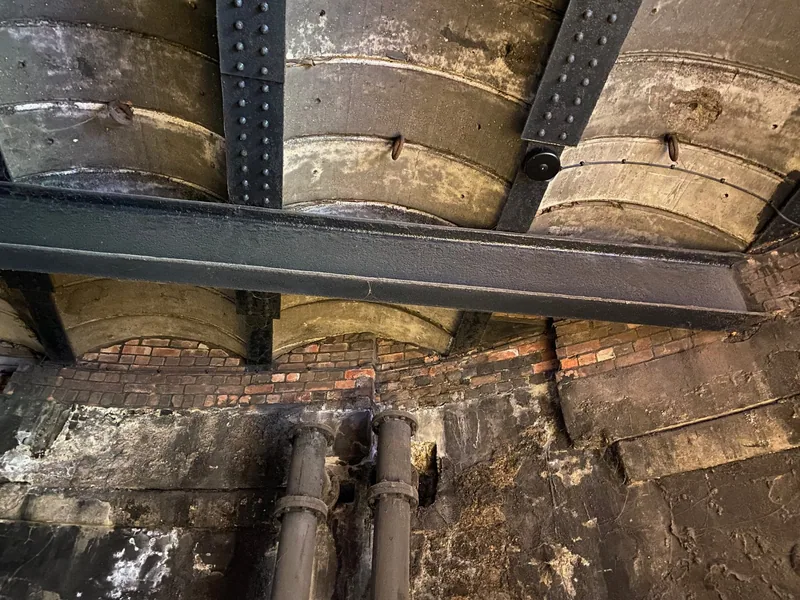
Photo: Z22 · CC BY-SA 4.0 · Wikimedia Commons · resized
How it was dug, and why that matters
Work started in March 1825 with a fifty-foot iron hoop laid on the ground, bricked up from above and allowed to sink under its own weight, a few inches a day. That was the world's first caisson, and it worked. Tunnelling east from the bottom of it took another eighteen years, with repeated floods, at least six deaths and a young Isambard Kingdom Brunel very nearly drowning in one of them.
The thing that made it possible was his father's tunnelling shield, a moveable iron frame that held the face of the tunnel while men dug through it in small compartments. Shields of one kind or another have been used for soft-ground tunnelling ever since. The engine house holds large-scale models of the shield and its machinery, which is the clearest explanation of the method you will find anywhere in London.
The Engine House, and what is not on show
The second building holds the permanent display: the story of the tunnel and the people who built it, original memorabilia sold to Victorian sightseers, and a set of peepshows made to be sold at the entrance. There are subtitled films about the tunnel's design drawings, and large-print guides on stands at both levels of the shaft.
Be aware of what is missing. In 2017 the museum acquired more than thirty original designs for the tunnel by Marc and Isambard Brunel and their draughtsmen. They are in off-site storage until a planned redevelopment, and are shown only at occasional events; the collection can be viewed online in the meantime. If those drawings are the reason you were coming, check the events page first.
There is no café, and there is nowhere to leave a suitcase. Pushchairs can be left in a space provided. Dogs on leads are welcome, which is unusual for a museum.
The guided tour, and whether to time your visit for it
On Saturdays and Sundays a volunteer runs a forty-five-minute tour at 12.30, included in the price of admission. You secure a place by booking a 12.30 ticket rather than by paying anything extra.
We would build the visit around it. A small museum with a big story depends on someone telling the story, and the difference between reading the panels and hearing a guide in the shaft is the difference between a fifteen-minute stop and an hour that stays with you. Private and group tours can be arranged separately through the museum.
Pre-booking is not compulsory. Tickets go on sale roughly two months ahead, and the museum is small enough that a weekend slot is worth reserving. Occasional Saturdays are given over to private hires and the closures are posted on the visiting page, so glance at it before you set off.
Arriving through the tunnel you have come to see
The neatest approach is from the north. Take the Windrush line from Wapping and your train passes through the 1843 tunnel on the way; the station at the far end is less than a minute from the museum door. Our guides to the Overground and the DLR and to the six renamed Overground lines explain how the Windrush fits into the network.
Canada Water, seven minutes away on foot, is the step-free alternative and puts you one stop from London Bridge on the Jubilee line. Buses C10 and 381 stop nearby. There is a single parking space at the back of the site, not guaranteed, and priority goes to visitors with access requirements.
Rotherhithe is not ten minutes from Tower Bridge, whatever the map suggests. The two are close in a straight line and far apart on the ground, because there is no pedestrian crossing of the river here. Expect twenty minutes or more each way: either a single Windrush-line stop north to Wapping followed by a walk west, or Canada Water to London Bridge on the Jubilee line and a walk east to the bridge. The river crossings that do exist on foot are covered in our guide to the ferries and foot tunnels.
Access: honest about its limits
The museum says plainly that the site is not fully accessible, and it is right to. The shaft is a ten-metre cavern entered from the top down three flights of stairs. Wheelchair users and anyone who cannot manage those stairs can see it from a viewing platform at the entrance, which staff call the Royal Box; you look into the chamber rather than standing in it.
The Engine House has level access to its entrance, shop, lower gallery and toilets, including an accessible toilet, but the upper gallery with the main exhibition is up half a flight of stairs. A rooftop garden sits above the chamber, but it is up a narrow half-flight and its paths are uneven gravel. Moving between the two buildings involves half a flight too, though there is a level path around the outside.
There is no Changing Places toilet here; the museum points to the National Maritime Museum, City Hall and London Museum Docklands. A visual story for neurodivergent visitors can be downloaded before you come, and the WelcoMe app lets you tell staff what you need in advance. Our accessible London guide and step-free transport pages cover the journey.
What it costs a family, and what else to do with the day
Two adults and two children under 16 pay £20 in total, which is among the cheapest paid attractions in London for a family. Add the free weekend tour and it is better value still. Two pensioners pay £14 between them on the concession rate, and a local address in either of the two neighbouring postcodes brings it down to £2.50 a head. If you expect to return, or you are visiting several small museums, the £18 annual membership pays for itself on the second visit.
Forty-five minutes is not a day out on its own, so pair it. The museum's own recommendations for lunch are the Mayflower pub and the Watch House café, both a short walk away, and our round-up of riverside pubs on the Thames covers the first of those alongside the Wapping ones across the water. Afterwards the riverside path runs east towards Greenwich and west towards Bermondsey; see the Thames Path for the sections that work.
For the free indoor alternative nearby, London Museum Docklands is three minutes from West India Quay. If underground engineering is the appeal rather than Rotherhithe itself, the Postal Museum and Mail Rail puts you on a narrow-gauge train beneath Clerkenwell, and the Victorian testing works in Southwark runs the machine that proved the iron for bridges of this era. Two more small collections in the same spirit are the Foundling Museum in Bloomsbury and Two Temple Place on the Embankment; both appear in our survey of the best small museums in London. The Science Museum is where to go afterwards if the shield models set someone off.
Frequently asked questions
How long does the Brunel Museum take to visit?
About forty-five minutes, which is the museum's own recommendation and covers both the shaft and the Engine House exhibition. If you time your arrival for the 12.30 weekend tour, allow an hour and a quarter in total. It is a short visit by design, so plan something else nearby for the rest of the day.
Do trains still run through the Thames Tunnel?
Yes. It has carried rail traffic since 1869 and now forms part of the Windrush line between Wapping and Rotherhithe, which makes it the oldest section of London's underground railway network. Standing on the floor of the shaft you can feel the trains pass beneath you.
Is the Brunel Museum suitable for children?
Under-16s go in free, and the shaft impresses older children in a way the exhibition cases do not. The stairs rule out a pram below ground, though a space is provided to leave one. For under-sixes it is a thin visit; the city farm and playgrounds in the surrounding streets are the better half of a family day here.
Can you see the Brunel Museum if you cannot manage stairs?
Partly. A viewing platform at the top of the shaft lets you look into the chamber without descending the three flights, and the Engine House has step-free access to its ground floor, shop and accessible toilet. The upper gallery and the roof garden both involve stairs. Contact the museum before travelling to discuss what will work.
Why is the Brunel Museum only open four days a week?
It is a small independent charity that takes no government money and lives on admissions, so the week runs Friday through Monday, 10.30am until 3.30pm, plus every day of half-term. Nobody is admitted after 3pm. One-off closures for private events are posted on its visiting page, so check the week you plan to go.
Sources
- Brunel Museum – Visit Us: prices, opening times and tours (checked September 2026)
- Brunel Museum – Tunnel Shaft and timeline (checked September 2026)
- Brunel Museum – Visitor FAQs (checked September 2026)
- Brunel Museum – Accessibility (checked September 2026)